
您在这里:

Radar Presence & Motion Devices

View all radar devices
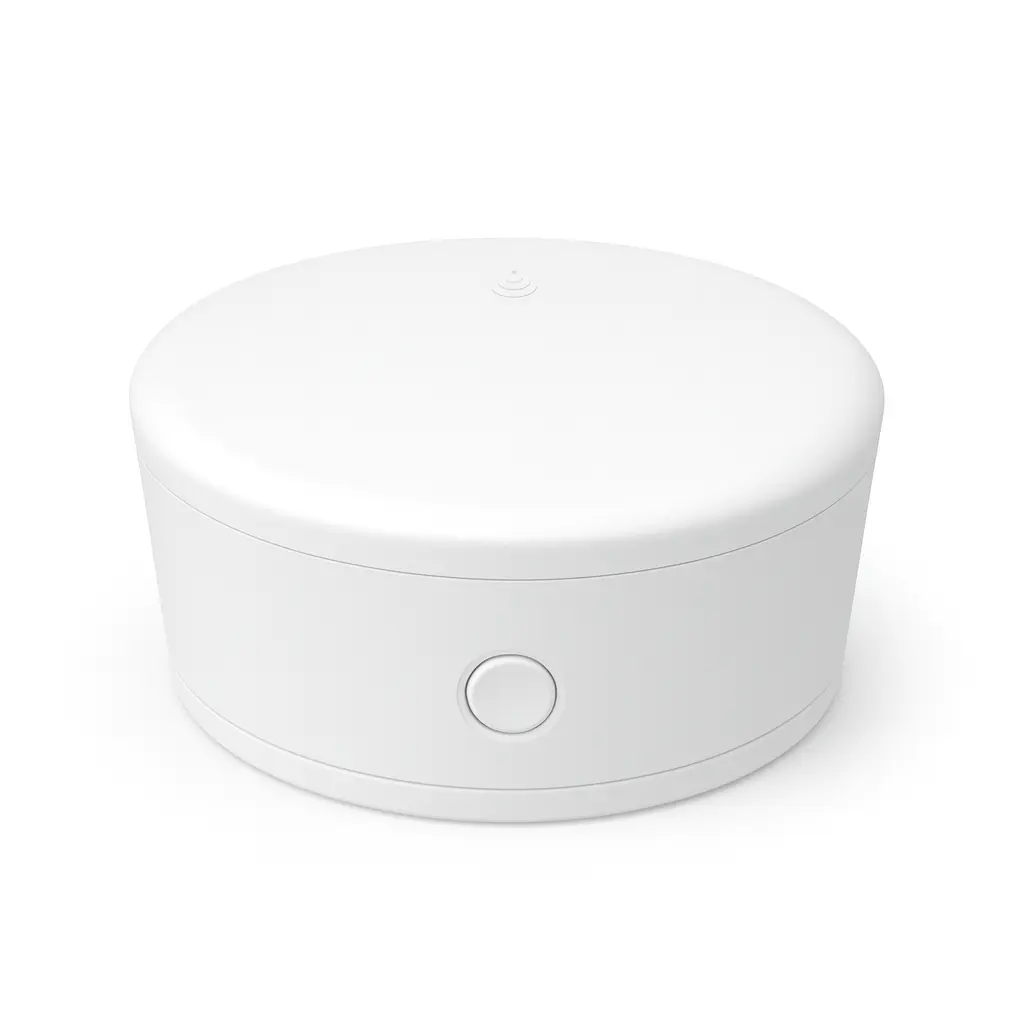
Knowledge & Trust Center

Technical documentation, compliance certifications and engineering knowledge supporting global deployment and system integration.

Certifications

  • CE / RED / RoHS Compliance
  • FCC (North America)
  • ISO 9001 Quality Management
  • IEC Industrial Safety Standards
Solution Domains

Solution Domains

Domain-focused solution frameworks built on core perception architectures — addressing fundamental challenges across human, spatial, and operational environments.

  • Built Environments
  • Safety-Critical Infrastructure
  • Autonomous Spaces
  • Industrial Operations
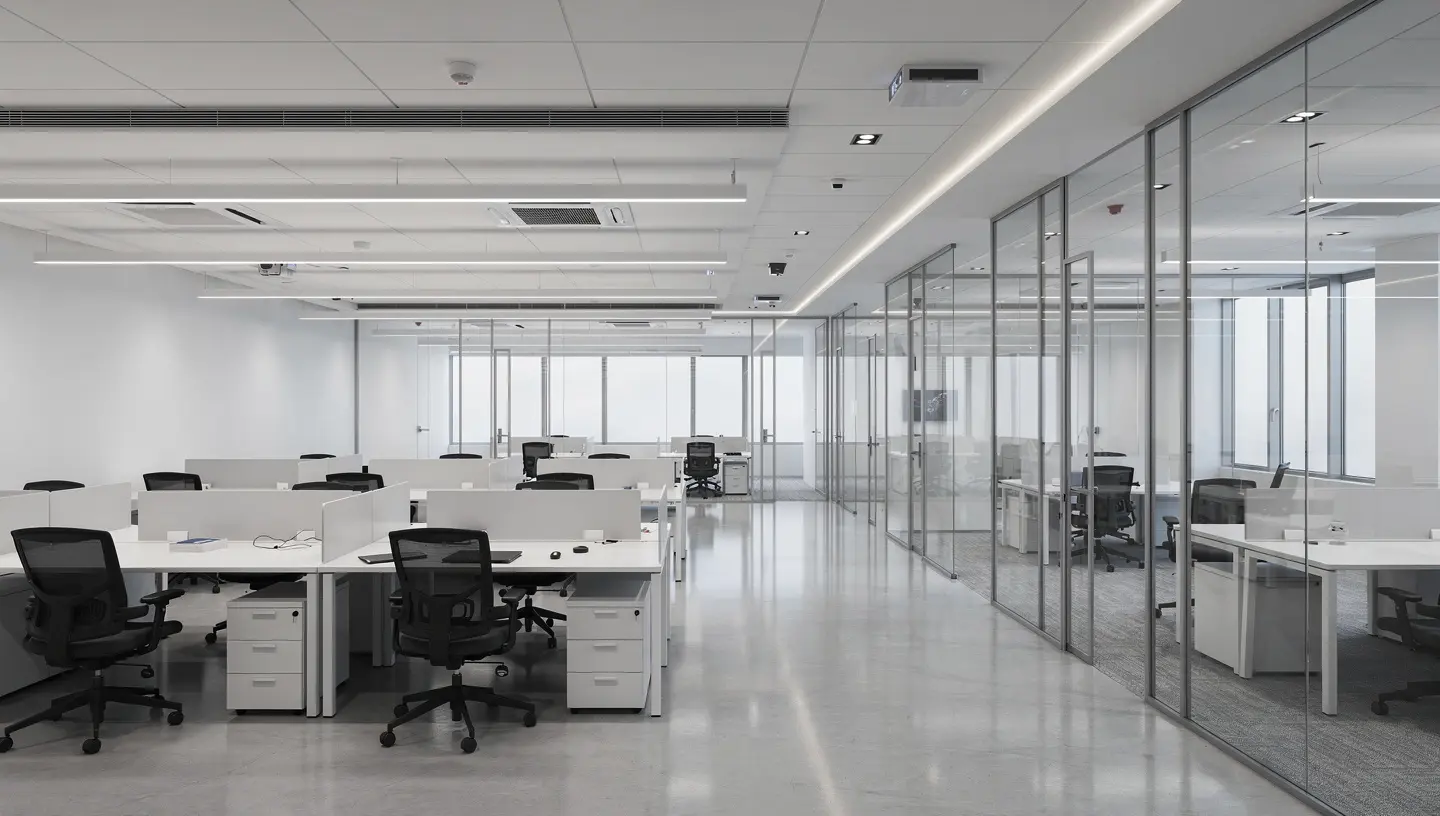
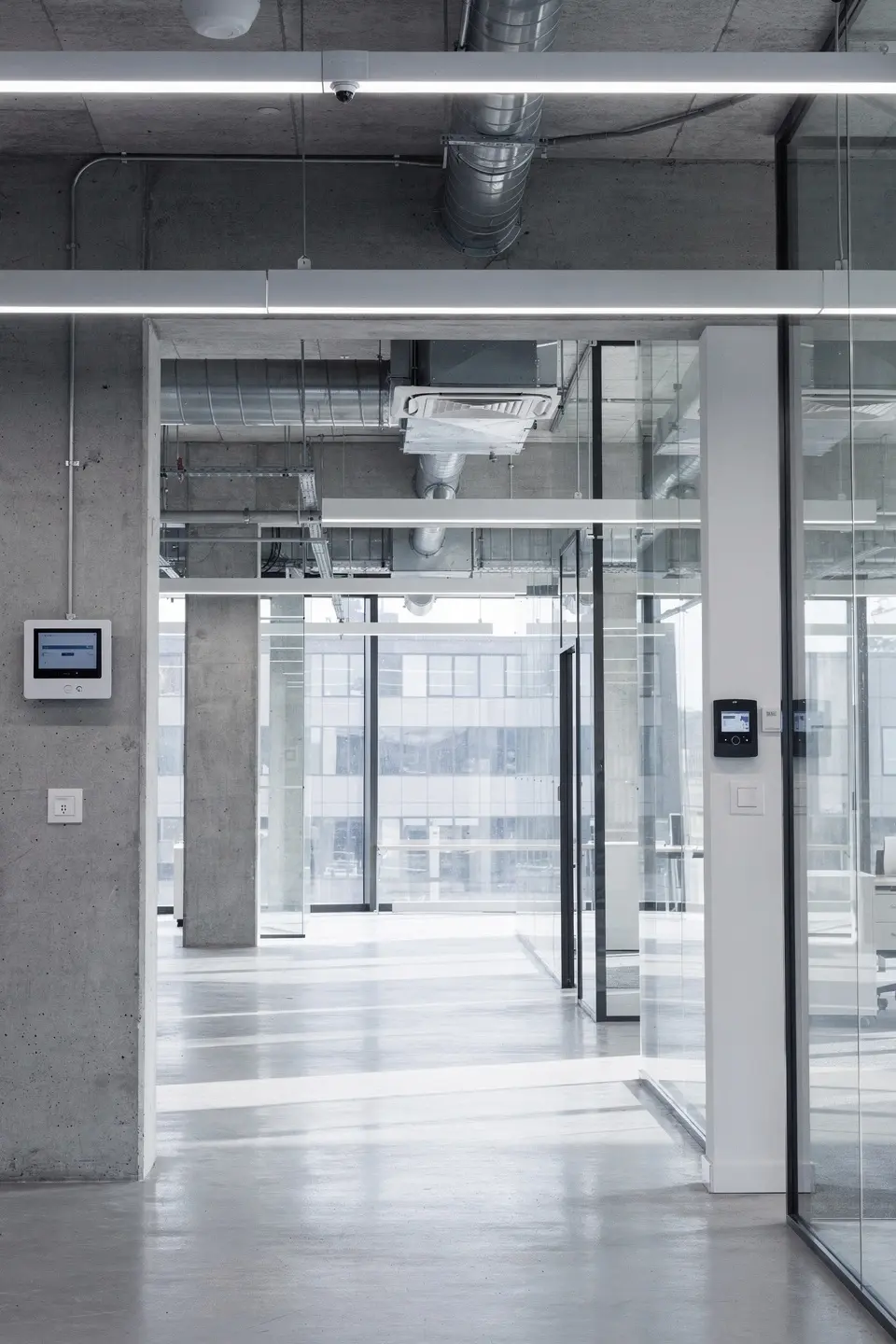
Built environment perception architecture

Built Environments

Enabling intelligent awareness of occupancy, movement, and environmental conditions within buildings to support adaptive operation and long-term efficiency.

Occupancy · Space Utilization · Environmental Awareness
Safety-critical infrastructure monitoring

Safety-Critical Infrastructure

Perception-driven monitoring for infrastructure where reliability, continuity, and operational safety are essential under demanding conditions.

Infrastructure · Robust Sensing · System Reliability
Autonomous spatial intelligence systems

Autonomous Spaces

Providing spatial intelligence that enables autonomous systems to perceive, interpret, and respond to dynamic human and environmental presence.

Spatial Awareness · Autonomous Operation · Interaction Safety
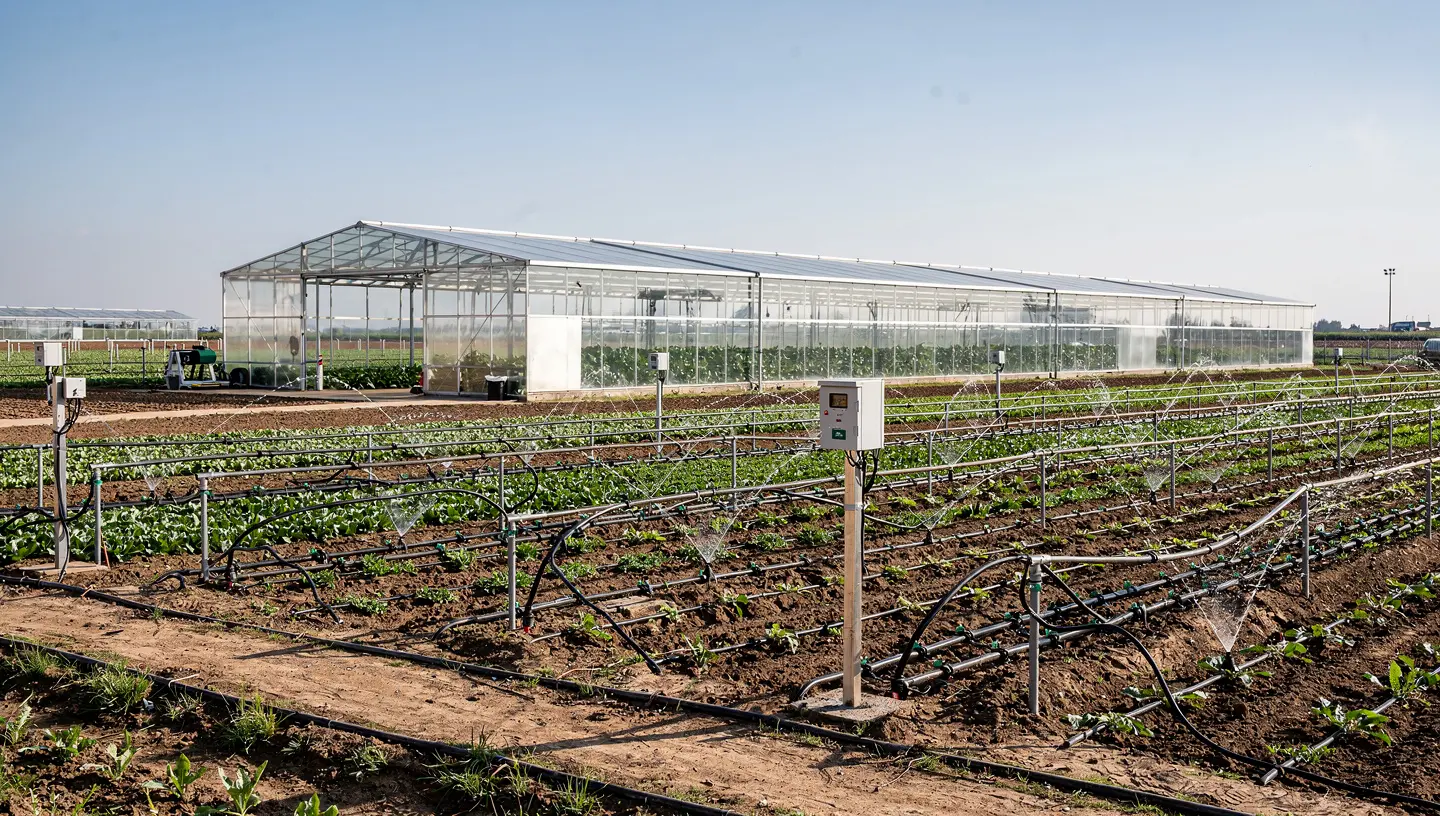
Industrial operations perception systems

Industrial Operations

Supporting perception-driven visibility across industrial environments to enhance operational continuity, monitoring, and system-level optimization.

Industrial Spaces · Environmental Monitoring · Operational Insight

Core Perception Architectures

Explore all architectures →

Foundational non-visual perception architectures designed to understand people, spaces, and environments — engineered for reliability, scale, and long-term system integration.

Human-Centric Perception Architecture
Vital-sign · Human state · Presence perception

Architecture for non-contact understanding of human presence and physiological state.
Spatial Utilization & Energy Intelligence
Occupancy · Flow · Energy optimization

Spatial awareness architectures enabling data-driven energy efficiency and utilization.
Industrial & Environmental Perception
Harsh environments · Infrastructure · Sensing robustness

Designed for stability, resilience, and long-term deployment in industrial contexts.
Advanced Imaging & Research Platform
Frontier R&D · 4D imaging · Validation platform

Research-grade perception platform supporting advanced algorithm development.
Systems & Devices

Systems & Devices

Architecture-aligned sensing systems designed for reliable long-term deployment. Each system family represents a physical implementation layer within a broader perception architecture — enabling non-visual awareness, spatial intelligence and infrastructure-grade sensing across diverse environments.

PeriShield
Perimeter Awareness Systems

Explore system

RuggedSecure
Infrastructure-Grade Sensing

Explore system

TrackFlow
Spatial Flow & Occupancy Systems

Explore system
Hero Banner – Spatial Intelligence

Beyond Vision.
An Architecture for Spatial Intelligence.

High-fidelity millimeter-wave sensing engineered for environments where optical systems fail. Enables continuous presence, motion, and spatial awareness — operating independently of light and designed with privacy by design.

Built Environments · Safety-Critical Systems · Autonomous Spaces · Industrial Safety

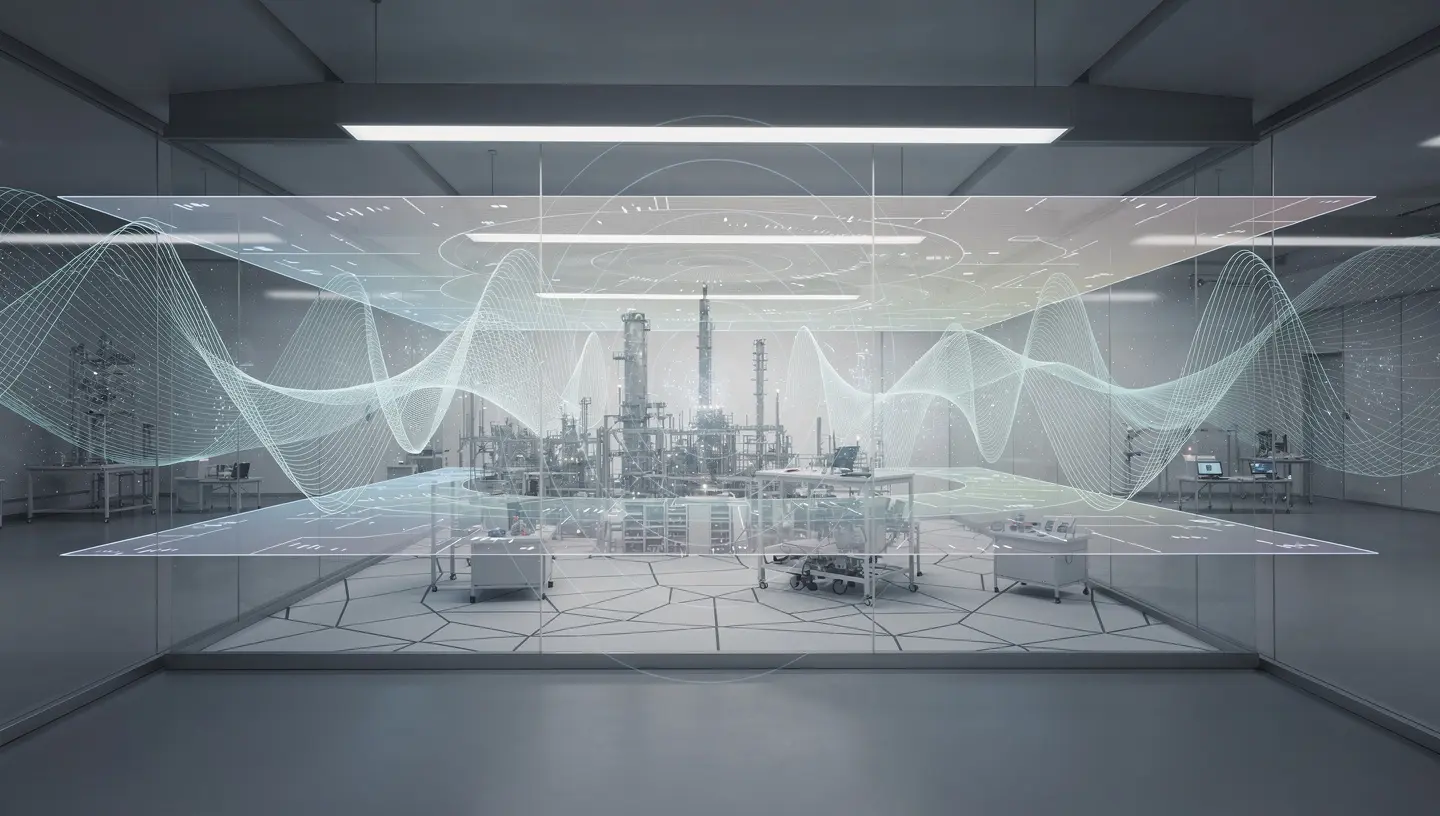
Non-visual spatial perception visualization

Perception Architecture, Engineered End-to-End

We design non-visual sensing architectures that transform physical space into reliable, privacy-preserving intelligence — from signal capture to system-level deployment.

Non-Visual by Principle

Our perception systems operate entirely without cameras or optical imaging. Millimeter-wave sensing enables continuous spatial awareness regardless of lighting, visibility, or environmental conditions.

Technology Foundation

Privacy by Architecture

Human presence is interpreted as motion, position, and intent — never identity. Our architecture is inherently compliant with privacy-by-design principles and global regulatory frameworks.

Compliance & Trust

Engineered for Certainty

Designed for safety-critical and infrastructure-grade environments, our systems deliver deterministic performance under real-world conditions — not laboratory assumptions.

Reliability & Safety

Built for Integration

Modular hardware, standardized interfaces, and system-level support allow seamless integration into existing platforms, control systems, and solution ecosystems.

System Integrators
OEM Radar Modules · Non-Visual Sensing

Millimeter-Wave Presence & Vital Sign Modules
for OEM Devices

Pre-configured mmWave radar modules for non-visual presence and vital-sign sensing. Designed for seamless OEM integration — no camera, no complex algorithm development.

Module-level supply
OEM & system integrators only
Non-medical sensing
Privacy by design
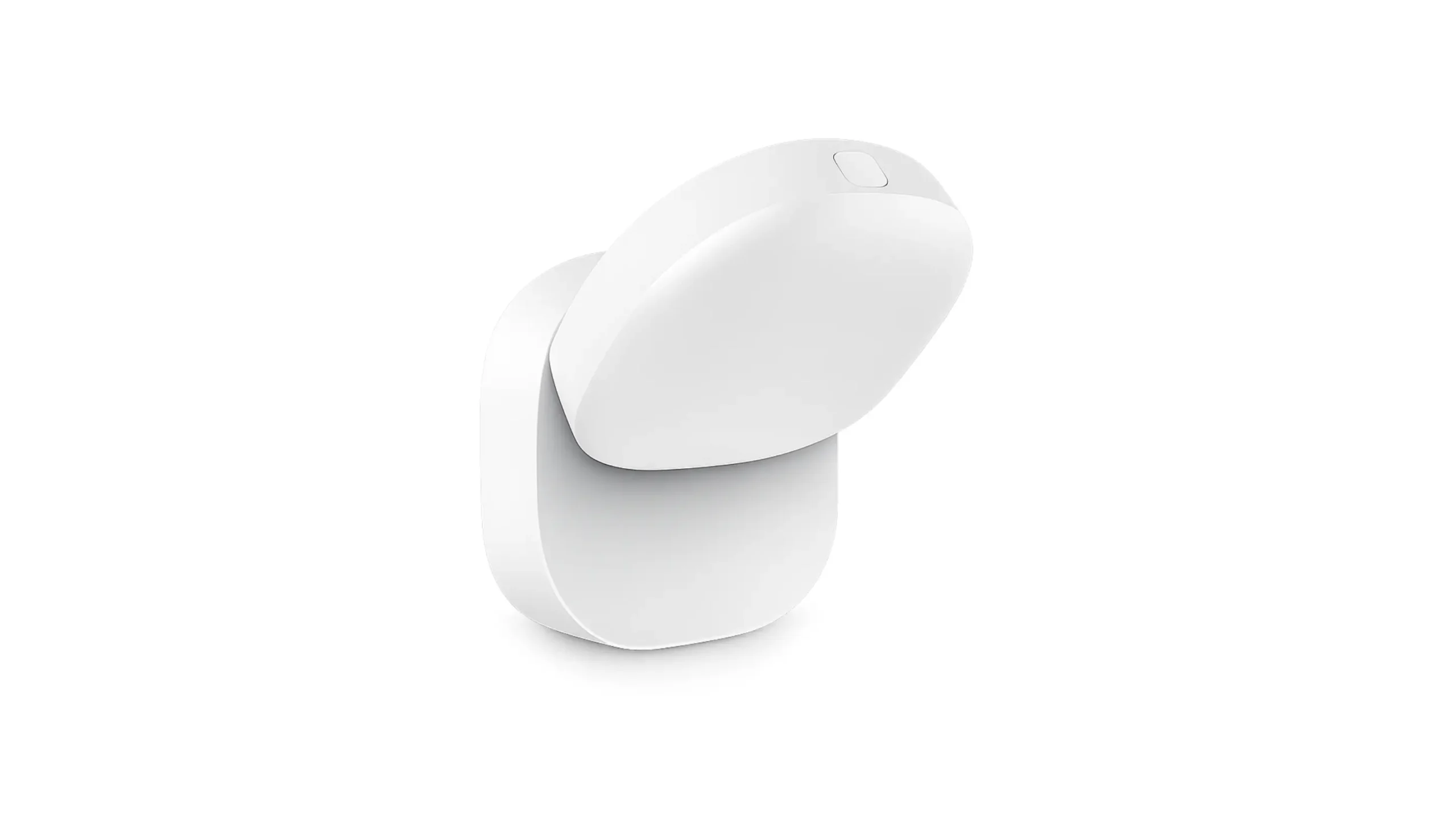
AZJ mmWave Radar OEM Modules

What We Supply

We provide pre-configured millimeter-wave radar modules for OEM devices. All modules are optimized for embedded integration, stable mass supply, and long-term availability.
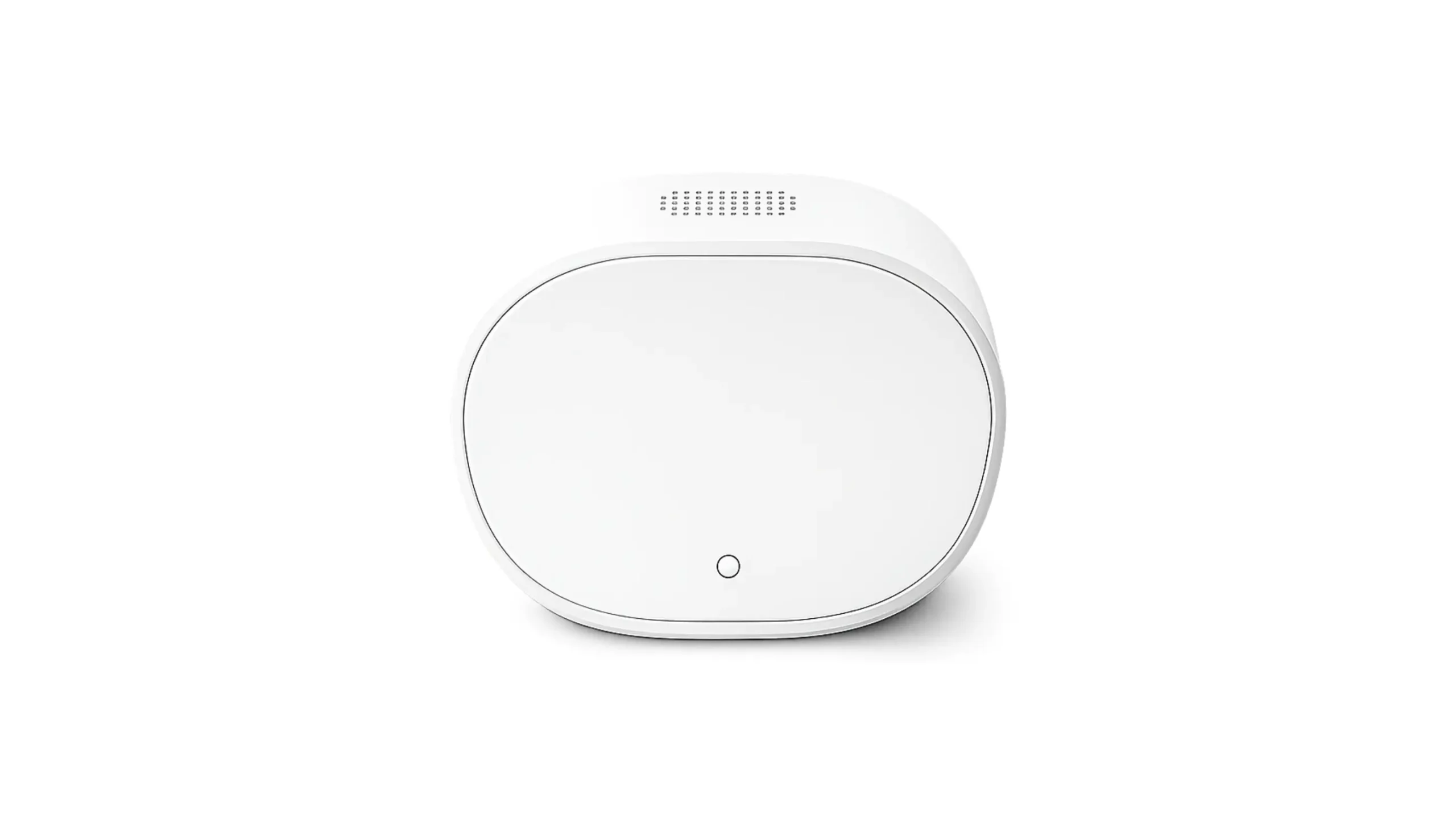
All-in-One Life Sign Fusion Radar Module
Presence Sensing
mmWave Presence Detection Module
Reliable human presence and micro-motion detection for smart devices. Operates independently of light conditions and preserves user privacy.
• Detection range: up to 6–8 m
• Outputs: Presence / Motion state
• Interface: UART / GPIO
• Use cases: smart lighting, HVAC, occupancy control
Presence & Vital Signs Hybrid Sensor
Vital Sign Sensing
Respiration & Heart-Rate Module
Non-contact respiration and heart-rate sensing based on mmWave radar. Designed for wellness and environmental monitoring applications (non-medical use).
• Respiration & heart-rate signal output
• Static subject sensing
• Interface: UART
• Use cases: sleep devices, elderly monitoring, wellness products
OEM Tuned mmWave Radar Module
Custom OEM
OEM-Tuned Radar Module
Customized firmware parameters and detection logic for specific OEM requirements. Hardware platform remains standardized to ensure supply stability.
• OEM parameter tuning
• Fixed hardware BOM
• Volume production support
• Use cases: proprietary devices, system integrators

Why OEMs Choose Us

OEM partners work with us not for experimentation, but for predictable integration, stable supply, and engineering decisions that remain valid across full product lifecycles.

Stable Hardware, Controlled Variability

Radar platforms are fixed early to ensure BOM stability, long-term sourcing, and repeatable system behavior. Algorithm parameters evolve over time — hardware does not.

Hardware philosophy

OEM-Oriented Integration Logic

Modules are designed for embedded products, not demonstrations. Deterministic outputs, clear electrical interfaces, and documented behavior reduce integration risk for firmware and control teams.

Integration approach

No Black-Box AI Dependency

Detection logic is based on signal characteristics and deterministic state modeling. No cloud dependency, no opaque neural inference, and no uncontrolled model drift in deployed systems.

Detection principles

Privacy by Physical Principle

Human presence is represented as motion and state — not identity. Compliance is achieved through physical sensing constraints, rather than software masking or post-processing.

Privacy architecture

Supply Chain Reality Awareness

Architectures are designed with component availability, lead time, and continuity in mind. We avoid fragile dependencies and short-lifecycle components.

Lifecycle planning

Engineering Communication, Not Sales Scripts

OEM partners engage directly with engineering logic. Decisions are documented, constraints are explicit, and trade-offs are stated upfront — without marketing abstraction.

Working model
Integration & OEM Engagement Model

Integration & OEM Engagement Model

Our collaboration model is designed to minimize integration risk, maintain cost predictability, and support long-term OEM product lifecycles. Each phase is clearly separated to avoid uncertainty during evaluation and volume deployment.

Requirement Alignment

STEP 01 · Requirement Alignment

OEM product teams define the target use case, operating environment, and system-level expectations. Feasibility is assessed using existing module platforms without committing to hardware modification.

  • Target environment and deployment constraints
  • Expected sensing behaviors and system interfaces
  • No experimental or custom hardware at this stage
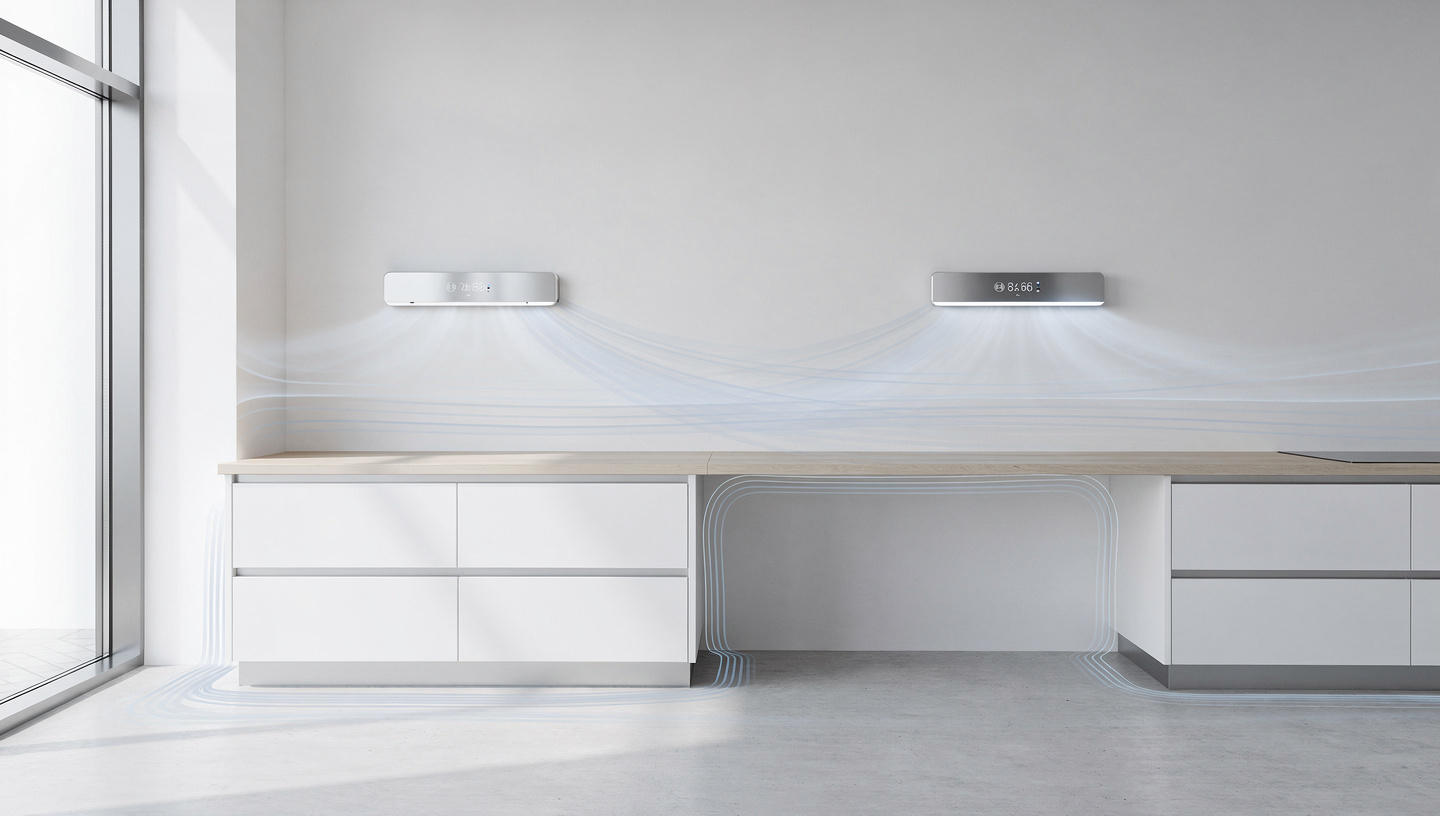
Sample Evaluation

STEP 02 · Sample & Evaluation Phase

Evaluation samples are provided for functional validation and system-level testing. Complete documentation and interface definitions support firmware, control, and integration workflows.

  • Functional and performance validation
  • System-level compatibility testing
  • Clear separation from volume supply commitments
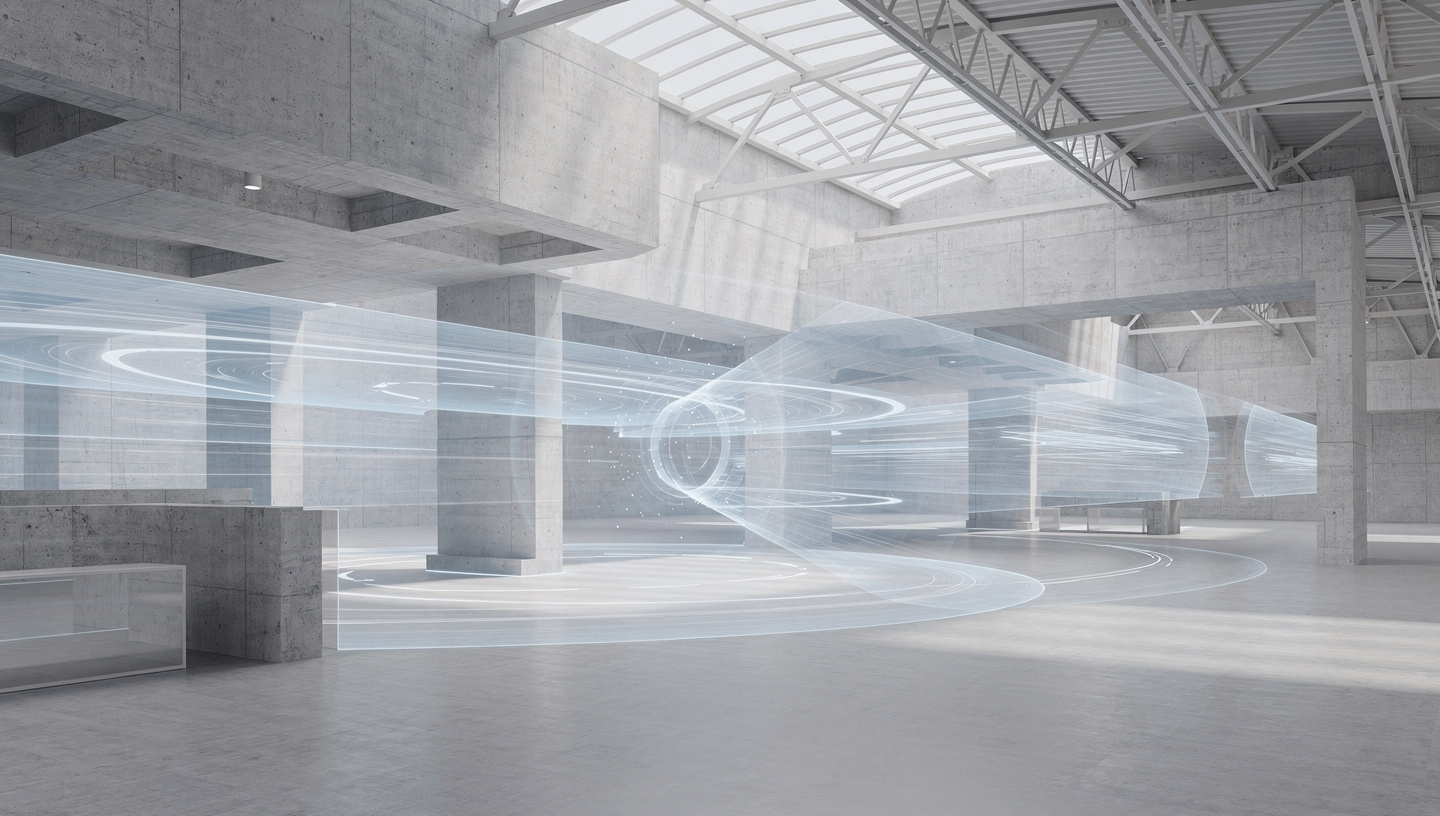
OEM Parameter Tuning

STEP 03 · OEM Parameter Tuning

Detection parameters are adjusted to match the target environment and behavioral requirements. Hardware design remains unchanged to preserve supply continuity and prior qualification results.

  • Environment-specific detection tuning
  • No hardware revisions during tuning phase
  • Deterministic sensing behavior maintained
Volume Supply

STEP 04 · Volume Supply & Lifecycle Support

After validation, modules enter volume supply with controlled revisions and defined lifecycle expectations. Engineering support focuses on consistency, stability, and long-term availability.

  • Controlled hardware and firmware revisions
  • Defined lifecycle and availability commitments
  • No feature-driven changes during production phase
Target Applications

Target Applications

OEM Application Scope →

Our modules are designed for OEM products that require reliable presence or vital-sign sensing as a system function — not as an experimental feature.

Applications We Do Not Target

Our modules are not designed for rapid prototyping platforms, short-lifecycle consumer gadgets, camera-based AI systems, or applications requiring identity recognition. OEMs seeking frequent hardware iteration or cloud-dependent perception logic may not find a suitable fit.
Solution Domains

Trust & Engineering Foundations

Our perception architectures are built on rigorous engineering principles, regulatory awareness, and long-term system responsibility.

Privacy-by-Design Architecture

Non-visual sensing principles embedded at the architectural level, ensuring that personal identity data is never captured, processed, or reconstructed throughout the system lifecycle.

Learn more

Non-Visual Compliance Logic

Perception systems designed to align with global privacy frameworks by eliminating optical dependency and enabling compliance through physical sensing constraints rather than software masking.

Learn more

Engineering Methodology

Architecture-first development process grounded in validation, repeatability, and system-level integration, supporting predictable behavior across diverse deployment environments.

Learn more

Long-Term System Stability

Designed for continuous operation and lifecycle longevity, with stable perception performance, controlled system evolution, and compatibility with long-term infrastructure planning.

Learn more
Reference Scenarios

Reference Scenarios

Representative deployment contexts illustrating how perception architectures are applied to solve spatial, safety, and operational challenges.

Large-Scale Industrial Perimeter Monitoring

Distributed non-visual sensing deployed across extended outdoor boundaries, enabling continuous presence detection and intrusion awareness under all-weather and low-visibility conditions.

Explore scenario

Privacy-First Elderly Care Environments

Human-centric perception systems integrated into living spaces to monitor presence, movement, and abnormal events while preserving dignity and eliminating optical identification.

Explore scenario

Occupancy-Driven Energy Optimization in Smart Facilities

Spatial utilization and occupancy intelligence applied to lighting, HVAC, and resource control, enabling adaptive operation based on real-time human presence.

Explore scenario
Engineering Documentation Request

Engineering Documentation Request

This form is intended for OEMs, system integrators, and engineering teams evaluating AZJ Smart radar modules for product development or system integration. Access to detailed engineering documentation is provided upon request.

Company & Contact Information

Project Information

Requested Engineering Documents

Additional Information (Optional)

Support | AZJ Smart – Engineering & OEM Resources

Engineering Support & OEM Resources

AZJ Smart provides structured engineering support for OEMs and system integrators developing non-visual sensing products based on millimeter-wave radar technology. Access to documentation, tools, and compliance materials is managed to ensure reliable design-in and long-term supply continuity.

Downloads

Request access to engineering documentation including datasheets, mechanical drawings, firmware protocols, and application notes.

View Downloads

OEM Support

Understand our OEM engagement model, design-in support scope, and engineering collaboration process.

OEM Support Overview

Certification & Compliance

Regulatory notes, RF compliance references, and market certification guidance for radar-based products.

Compliance Information

Tools & Utilities

Selection guides, interface references, and utilities supporting system integration and evaluation.

Engineering Tools

Supported Radar Modules

  • 60 GHz Presence & Vital Sign Radar Module
  • 77 GHz Motion & Zone Radar Module

Typical Integration Scenarios

  • Smart home & building automation systems
  • Lighting control & occupancy-based energy management
  • Security, access control, and non-visual monitoring
  • Healthcare & assisted living devices

What We Support

  • Module-level electrical & mechanical integration
  • Interface protocols (UART / SPI / GPIO)
  • Reference application guidance
  • Pre-certification technical notes

What We Do Not Provide

  • Custom algorithm development
  • End-product certification services
  • System-level software stacks
Engineering documentation and support materials are provided for evaluation and design-in purposes only. Access may require confirmation of project intent and acceptance of confidentiality terms. AZJ Smart supports long-term OEM cooperation with stable product lifecycle planning.
OEM Support | AZJ Smart – Engineering Cooperation

OEM Engineering Support

AZJ Smart provides structured OEM support for companies integrating millimeter-wave radar modules into commercial products. Our support model is designed for long-term cooperation, predictable product lifecycle management, and controlled engineering access.

Who This Support Is For

  • Original Equipment Manufacturers (OEMs)
  • System Integrators developing branded products
  • Lighting, building automation, and smart home manufacturers
  • Healthcare, security, and industrial device manufacturers
  • Companies planning product design-in or validation
  • Projects targeting mass production or regional certification
  • Engineering teams requiring module-level documentation

Engineering Support Scope

What We Support

  • Radar module electrical & mechanical integration
  • Interface definitions (UART / SPI / GPIO)
  • Reference use conditions and installation guidance
  • Application notes for typical system architectures
  • Product lifecycle and availability information

What We Do Not Provide

  • Custom algorithm or signal processing development
  • End-product system software or cloud services
  • On-site engineering services
  • Turnkey certification handling

OEM Engagement Process

  • 1. Initial project and company information submission
  • 2. Engineering relevance and application review
  • 3. Controlled access to technical documentation
  • 4. Design-in and validation support (as applicable)
  • 5. Production planning and lifecycle alignment

This process ensures that engineering resources are allocated efficiently and that product usage aligns with intended application and regulatory constraints.

Access to OEM engineering support and technical documentation is provided upon request. Evaluation materials may be subject to confidentiality obligations and project qualification.
Downloads | AZJ Smart – Engineering Documentation

Engineering Downloads

This page provides an overview of engineering documentation available for AZJ Smart modules and systems. All technical files are released through controlled access following project qualification.

Documentation Structure

Millimeter-Wave Radar Modules

  • Hardware Datasheets PDF
  • Electrical Specifications & Pin Definitions
  • Mechanical Drawings (Outline / Land Pattern)
  • Reference Schematics
  • Integration & Installation Notes

System & Application Documentation

  • System Architecture References
  • Application Notes (Lighting / Security / Healthcare)
  • Typical Use Conditions & Constraints
  • Deployment Guidelines

Certification & Compliance

  • Regulatory Overview (CE / FCC / SRRC)
  • Module-Level Compliance Statements
  • Integration Responsibility Clarification

Product Lifecycle Information

  • Product Status & Availability
  • Revision History
  • PCN / EOL Notices (if applicable)
Engineering documentation is not publicly downloadable. Access is granted based on company profile, application relevance, and project stage. Some materials may require NDA acceptance.

Request Engineering Documentation

Please provide the information below to request access to AZJ Smart engineering documentation. All requests are reviewed by our technical team prior to approval.

Company Information


Project Overview


Requested Documentation


Compliance Acknowledgement

Request Submitted

Your engineering documentation request has been successfully received.

Thank you for your interest in AZJ Smart products. The information you submitted has been forwarded to our technical team for engineering review.

What happens next

  • Your request will be reviewed by AZJ Smart engineering staff
  • Additional information or NDA confirmation may be required
  • Approved documentation will be provided via controlled access
  • Not all requests are granted access to all materials

Review time may vary depending on application scope and project complexity. Please avoid submitting duplicate requests.

All engineering documentation is provided solely for evaluation, system design, or integration purposes. Redistribution or use beyond the approved scope is strictly prohibited.

Sales

For commercial inquiries related to pricing, availability, lead times, and purchasing conditions.

  • Product availability
  • Quotation requests
  • Distributor or partner inquiries
Contact Sales →

Engineering

For technical discussions related to product integration, system architecture, and application feasibility.

  • Design-in questions
  • Interface and firmware behavior
  • Application suitability
Contact Engineering →

OEM Support

For OEM projects requiring customization, long-term supply planning, or lifecycle coordination.

  • OEM cooperation
  • Customization requests
  • Project-based support
OEM Support →

Compliance

For regulatory, certification, and compliance-related questions concerning AZJ Smart products.

  • RF / EMC considerations
  • Certification documentation
  • Regulatory alignment
Contact Compliance →
To ensure efficient handling, incomplete or misrouted inquiries may be redirected to the appropriate contact channel. Engineering documentation access may require NDA approval.

Organization Information
Compliance Contact Person
Compliance Scope
Compliance Topics
Additional Information
This form is reviewed by AZJ Smart compliance and engineering teams. Commercial inquiries will not be processed through this channel.

Company Information
Contact Person
Sales Inquiry
Technical, engineering, or certification questions should be submitted via the corresponding contact channels.
Vital-sign & Human State Perception System | Non-Visual Perception Architecture

Vital-sign & Human State Perception System

A non-visual perception system designed to continuously sense human presence, motion state, and vital physical signals such as respiration and micro-movement — without cameras, microphones, or personal identity data.

System Summary

The Vital-sign & Human State Perception System enables environments to understand human presence and physiological activity through millimeter-wave radar sensing.

Core Capabilities

Non-contact Vital Signal Detection

Radar-based respiration and micro-motion sensing.

Human Presence & State Awareness

Distinguishes absence, static and active states.

Fall & Abnormal Event Recognition

Identifies posture transitions.

Privacy-by-Architecture

No video or audio data collection.

Continuous Monitoring

24/7 stable operation.

System Integration Ready

Compatible with automation platforms.

System Variants

FallGuard 60G

FallGuard 60G

In-room fall detection radar optimized for indoor safety monitoring.

TotalVital 60G

TotalVital 60G

Integrated life-sign perception module combining presence and respiration.

ElderSafety 60G

ElderSafety 60G (Optional)

Hybrid perception module designed for long-term elder care environments.

Integrate Human-State Awareness

Explore how non-visual perception architecture enhances safety and automation.

Contact Integration Team
Occupancy-driven Energy Optimization System | Perception Architecture

Occupancy-driven Energy Optimization System

A perception-driven control architecture that dynamically optimizes lighting, HVAC, and energy usage based on real-time occupancy, presence patterns, and environmental demand — without cameras or personal identity data.

System Summary

The Occupancy-driven Energy Optimization System enables buildings to intelligently adapt energy consumption based on how spaces are actually used. By combining non-visual occupancy perception with environmental sensing, the system eliminates waste caused by static schedules or manual control.

It is designed for smart buildings, commercial spaces, residential automation, and energy-efficient infrastructure where reliability, scalability, and privacy are essential.

Core Capabilities

Accurate Occupancy Detection

Radar-based detection of human presence, motion and space utilization without visual surveillance.

Zone-level Energy Intelligence

Differentiates occupied and unoccupied zones to enable localized energy control.

Adaptive Lighting & HVAC Control

Real-time control signals for lighting and climate systems based on actual usage.

Environmental Awareness

Integrated sensing of CO₂, air quality and thermal conditions to optimize comfort and efficiency.

Automation-ready Logic

Compatible with BMS, smart home gateways and automation platforms.

Privacy-by-Design Architecture

No cameras, no microphones, no personal data — only physical presence perception.

System Variants
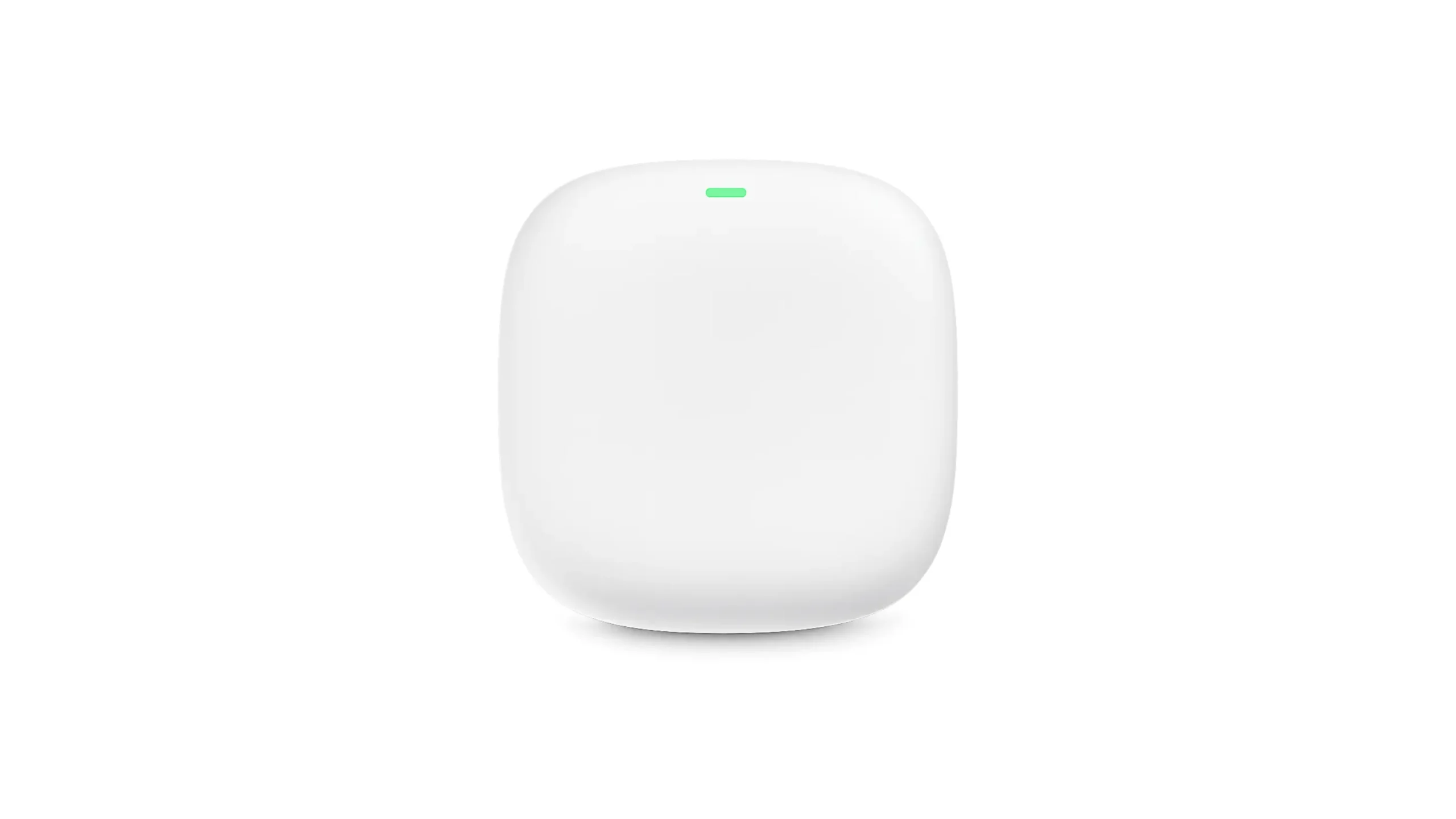
OmniView 60G

OmniView 60G

Wide-area occupancy perception radar designed for full-room and open-space coverage.
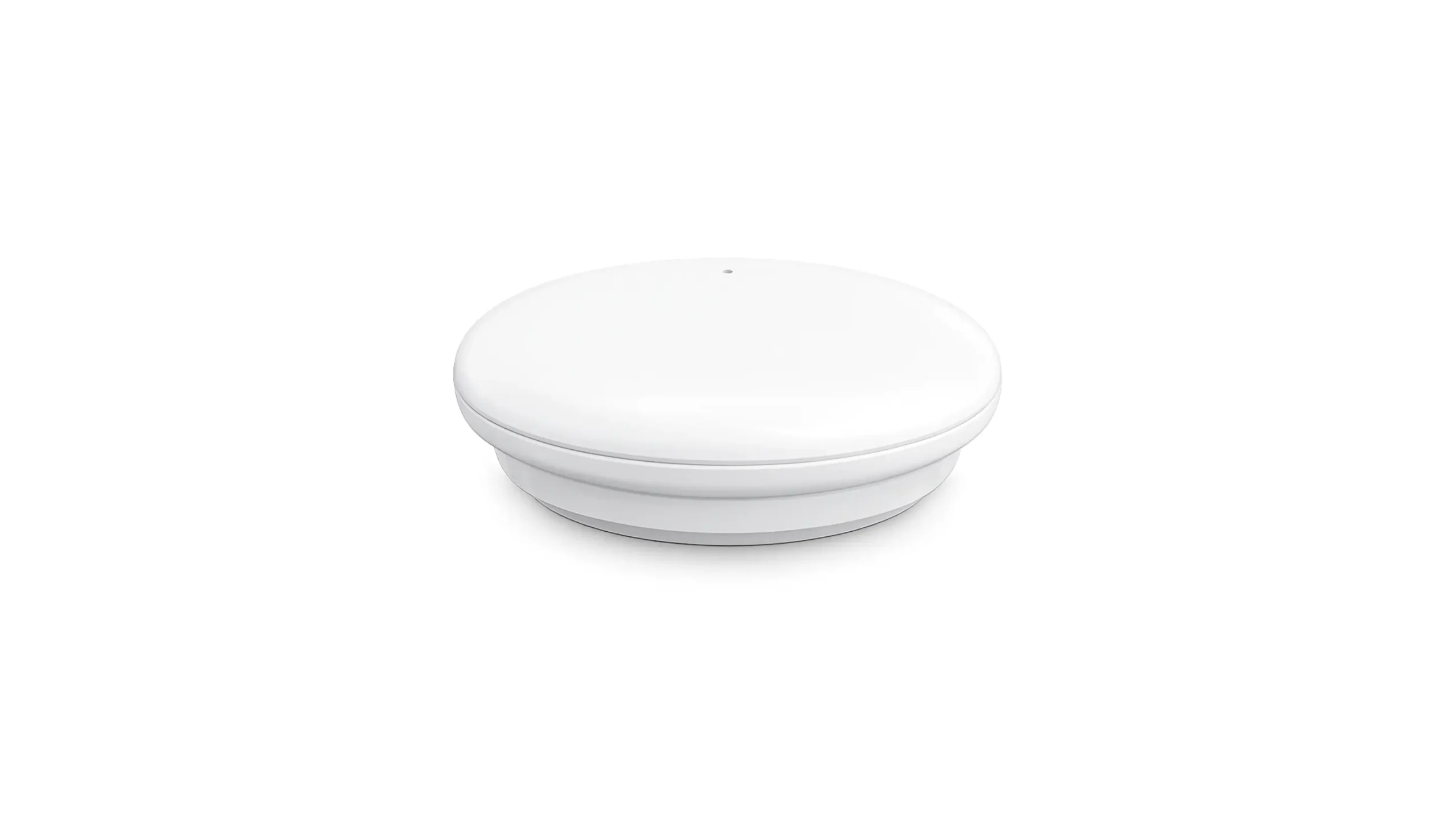
MultiZone 60G

MultiZone 60G

Zone-aware occupancy sensing module enabling granular energy optimization across spaces.
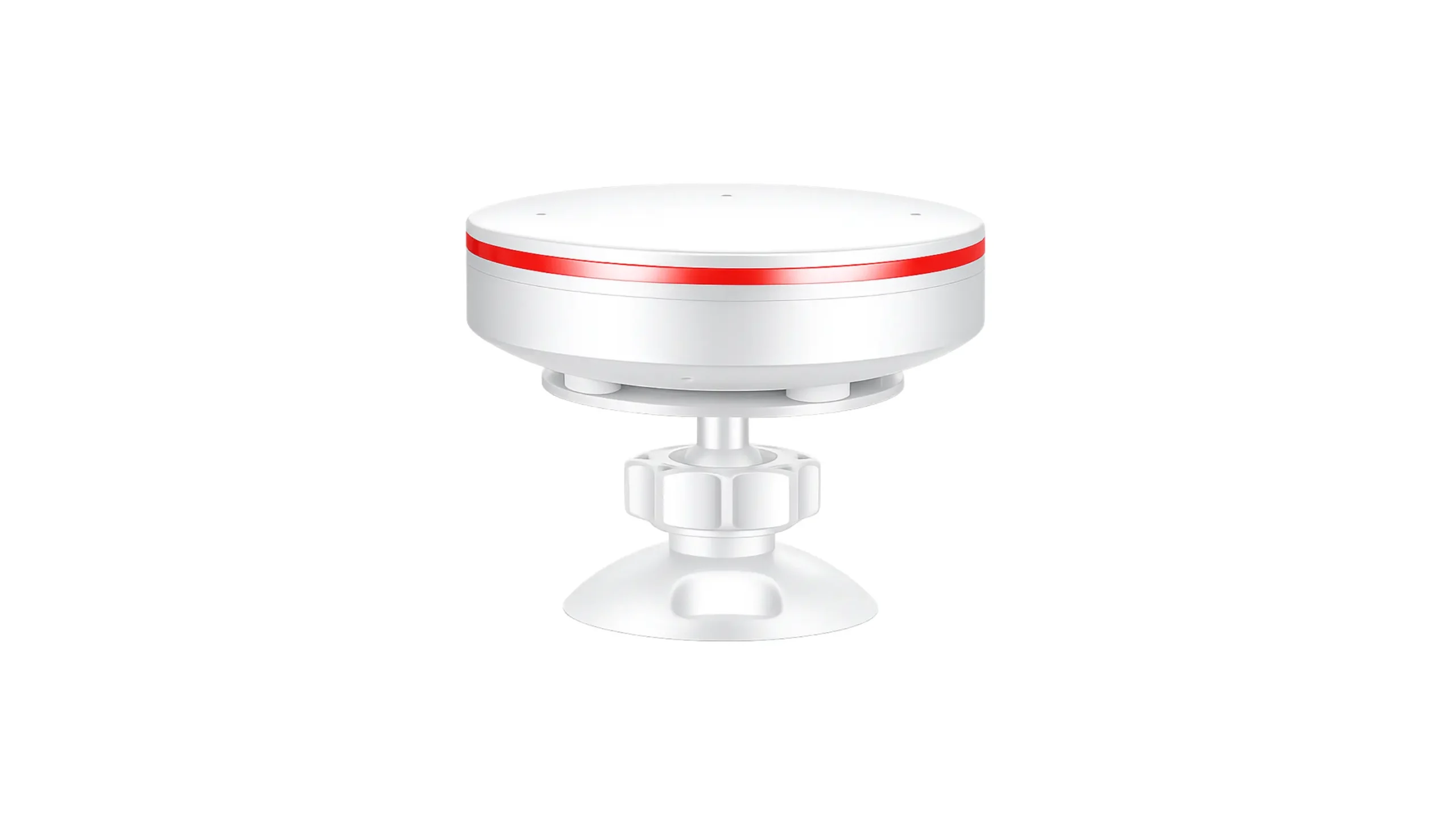
LumenLink 60G

LumenLink 60G

Lighting-focused perception controller for presence-driven illumination systems.
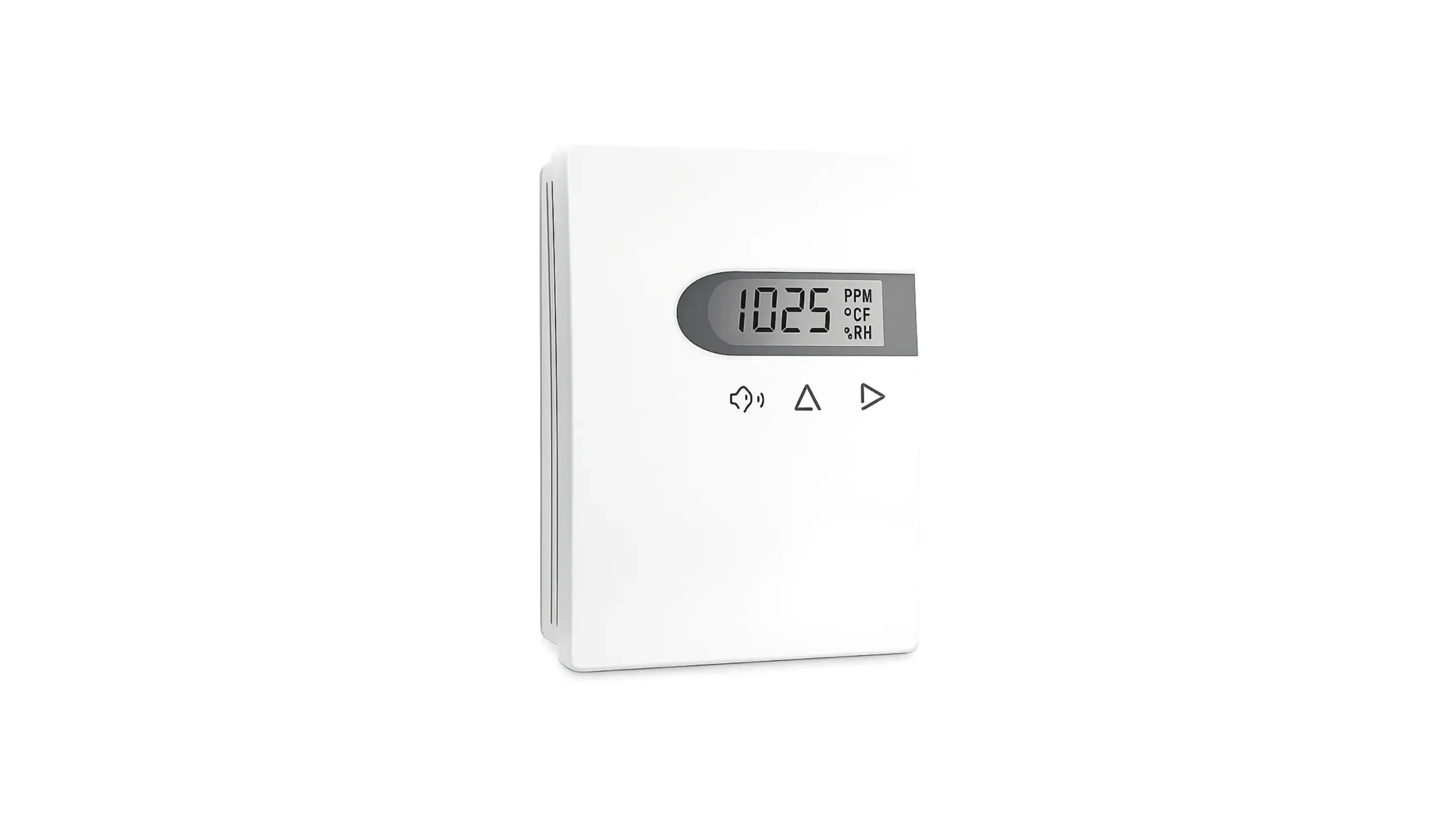
VentSense CO₂

VentSense CO₂

CO₂-based ventilation intelligence module supporting demand-controlled air circulation.
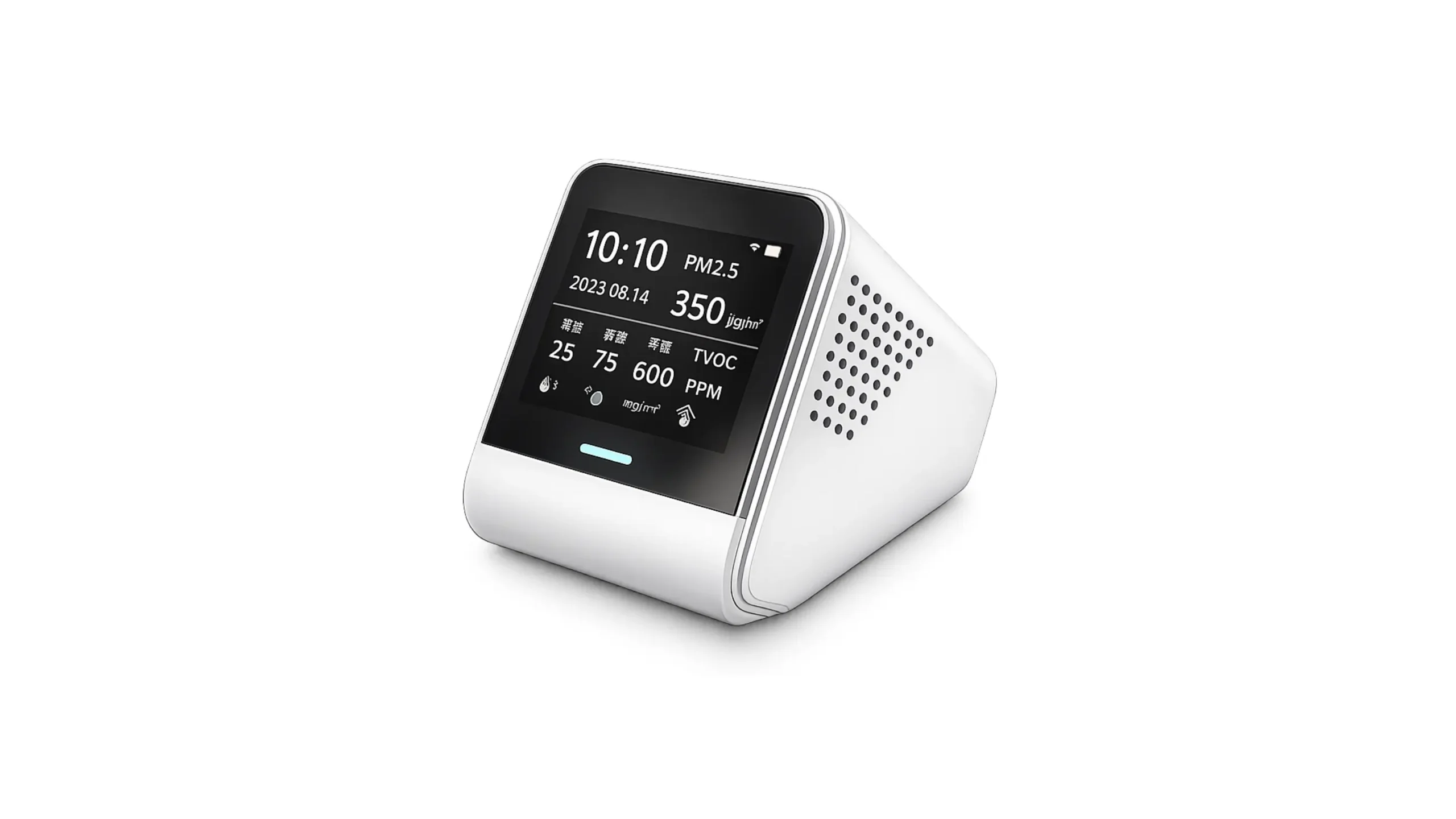
AirPure 7-in-1

AirPure 5-in-1

Integrated indoor air quality sensor combining multiple environmental parameters in one unit.

Optimize Energy Through Occupancy Intelligence

Discover how perception-driven control can significantly reduce energy waste while improving comfort.

Contact Integration Team

Industrial & Environmental Sensing System

Radar- and sensor-based solutions for industrial infrastructure and environmental monitoring. Designed for OEM integration and project-based deployment where robustness, accuracy, and long-term stability are required.

Available for OEM integration or customized project deployment. Not positioned as standard retail products.

Industrial-Grade Perception

High-frequency radar and precision sensors enable continuous monitoring of distance, displacement, level, and inclination in complex industrial and outdoor environments.

Infrastructure & Environmental Monitoring

Suitable for water management, structural safety, terrain monitoring, and industrial automation scenarios where optical solutions are unreliable due to dust, weather, or low visibility.

OEM & Project-Based Architecture

Modular sensing units designed for system integrators, solution providers, and industrial partners requiring long lifecycle support and scalable deployment.

System Modules & Sensors
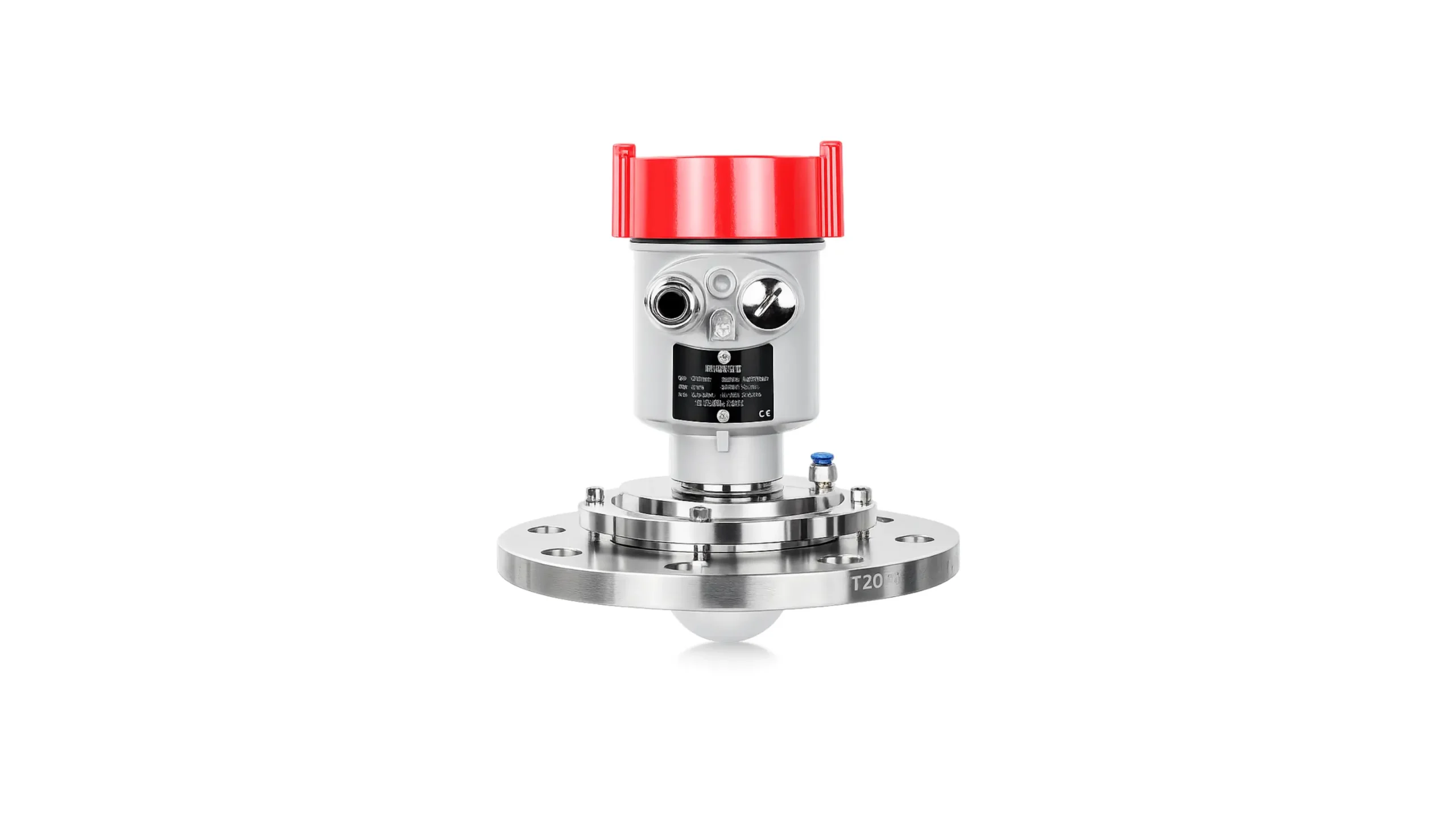
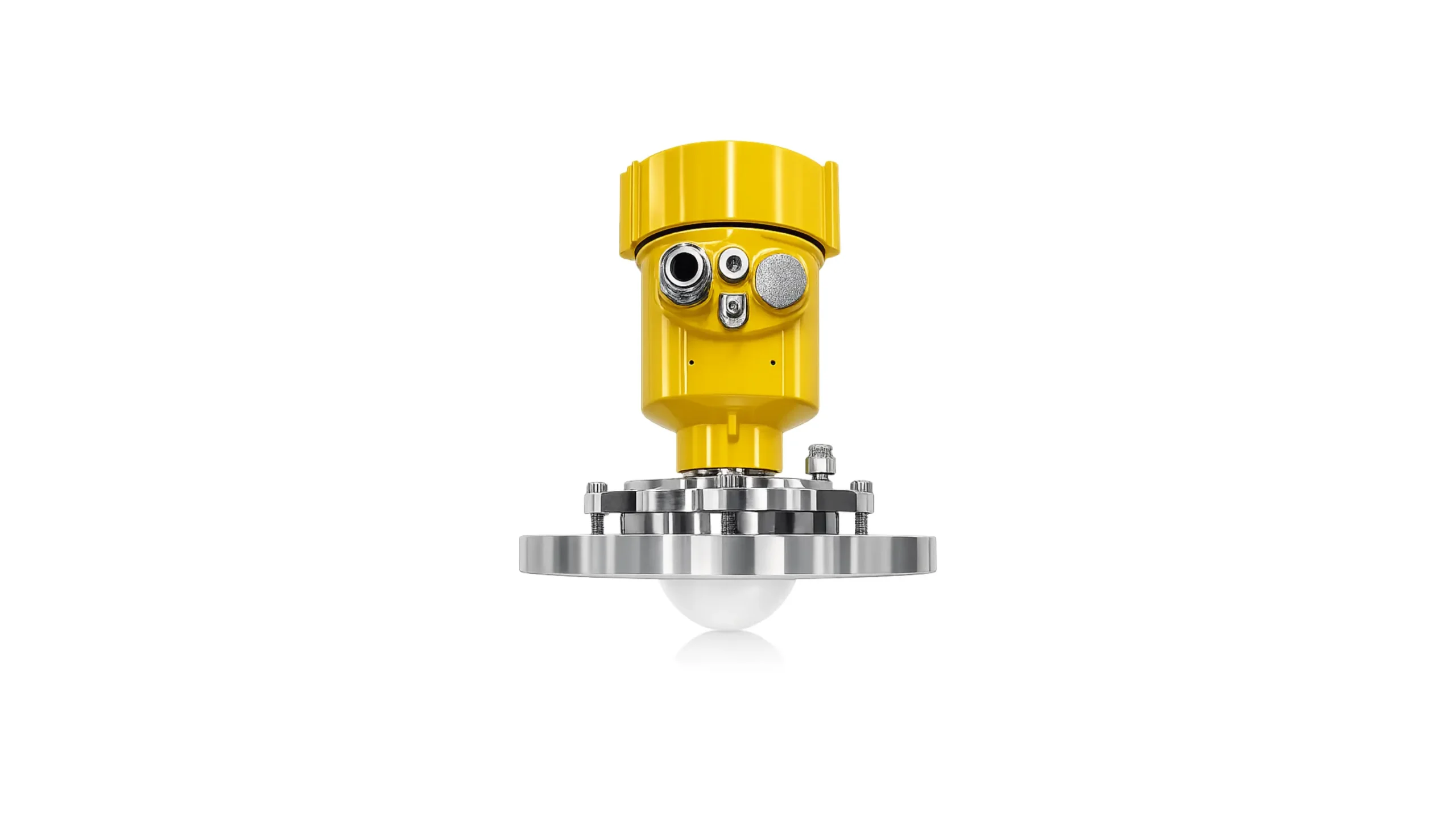
InduLevel 80G Liquid Level Radar
BulkScan 80G Solid Level Radar
60GHz Water Level Radar
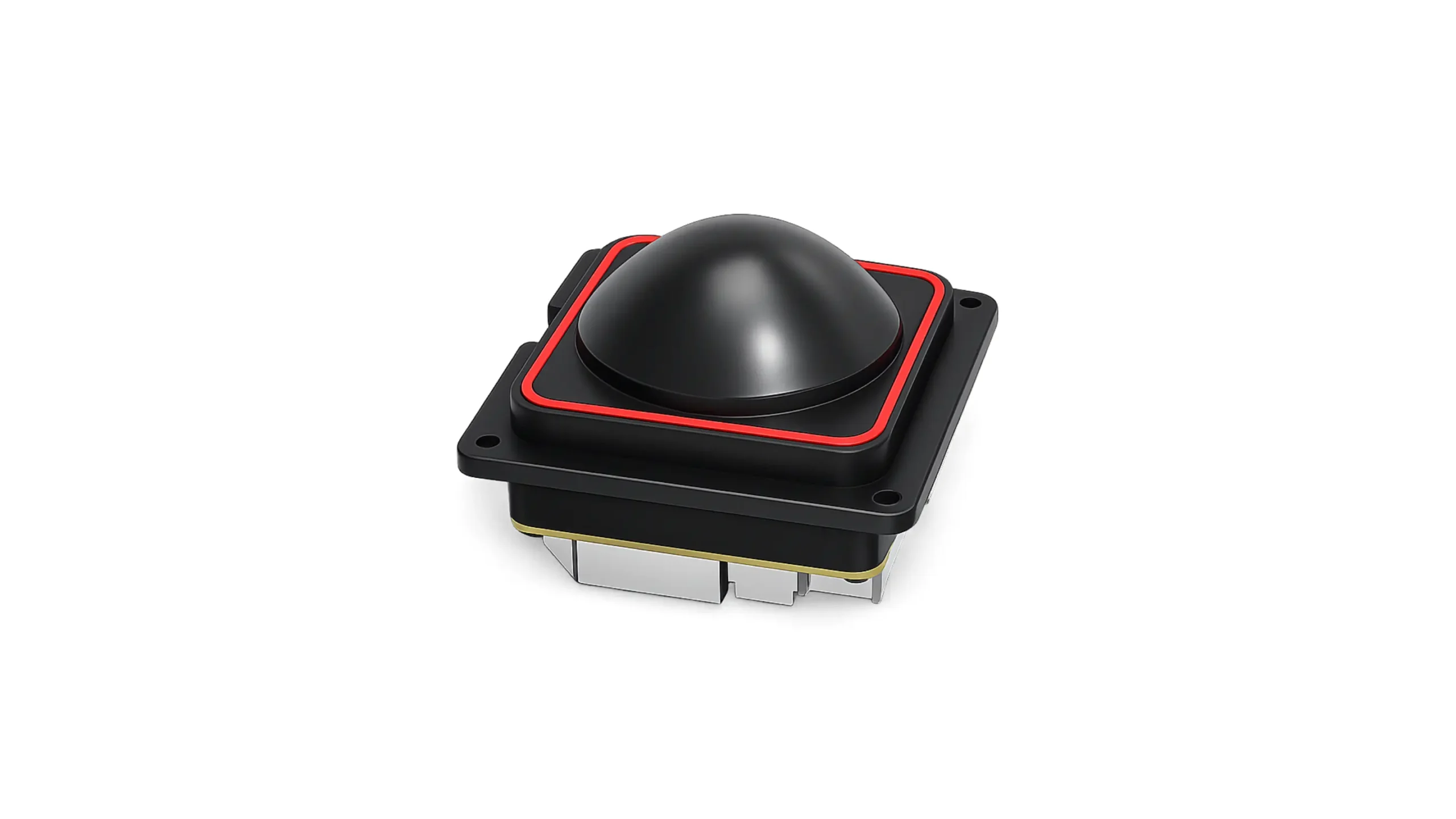
High-Precision Inclinometer
Security & Perimeter Perception System | Perception Architecture

Security & Perimeter Perception System

A non-visual security perception architecture designed for long-range perimeter protection, intrusion detection, and crowd movement intelligence — operating reliably without cameras or personal identity data.

System Summary

The Security & Perimeter Perception System provides continuous situational awareness using millimeter-wave radar sensing rather than traditional visual surveillance.

It enables precise detection, classification, and tracking of human and vehicle movement across wide and complex outdoor environments — even in darkness, fog, rain, or dust.

Core Capabilities

Long-range Intrusion Detection

Detects approaching targets across extended perimeters with meter-level positioning accuracy.

Human & Vehicle Classification

AI-enhanced radar perception distinguishes humans, vehicles, and environmental noise.

All-weather Operation

Reliable sensing in rain, fog, sand, darkness, and extreme outdoor conditions.

Trajectory & Flow Analysis

Tracks direction, speed, and movement patterns across open or linear spaces.

Radar–Video Fusion Ready

Supports integration with PTZ cameras for target verification and visual playback.

Low False Alarm Architecture

Adaptive interference suppression minimizes false alerts from vegetation or animals.

Application Scenarios

Border & Coastal Security

Long-distance intrusion detection for borders, coastlines, and restricted zones.

Energy & Pipeline Protection

Perimeter monitoring for oil, gas, power plants, and critical infrastructure.

Industrial & Logistics Sites

Wide-area surveillance for factories, ports, yards, and warehouses.

Public Space & Crowd Safety

Crowd density and movement analysis for large outdoor or semi-open venues.

System Variants
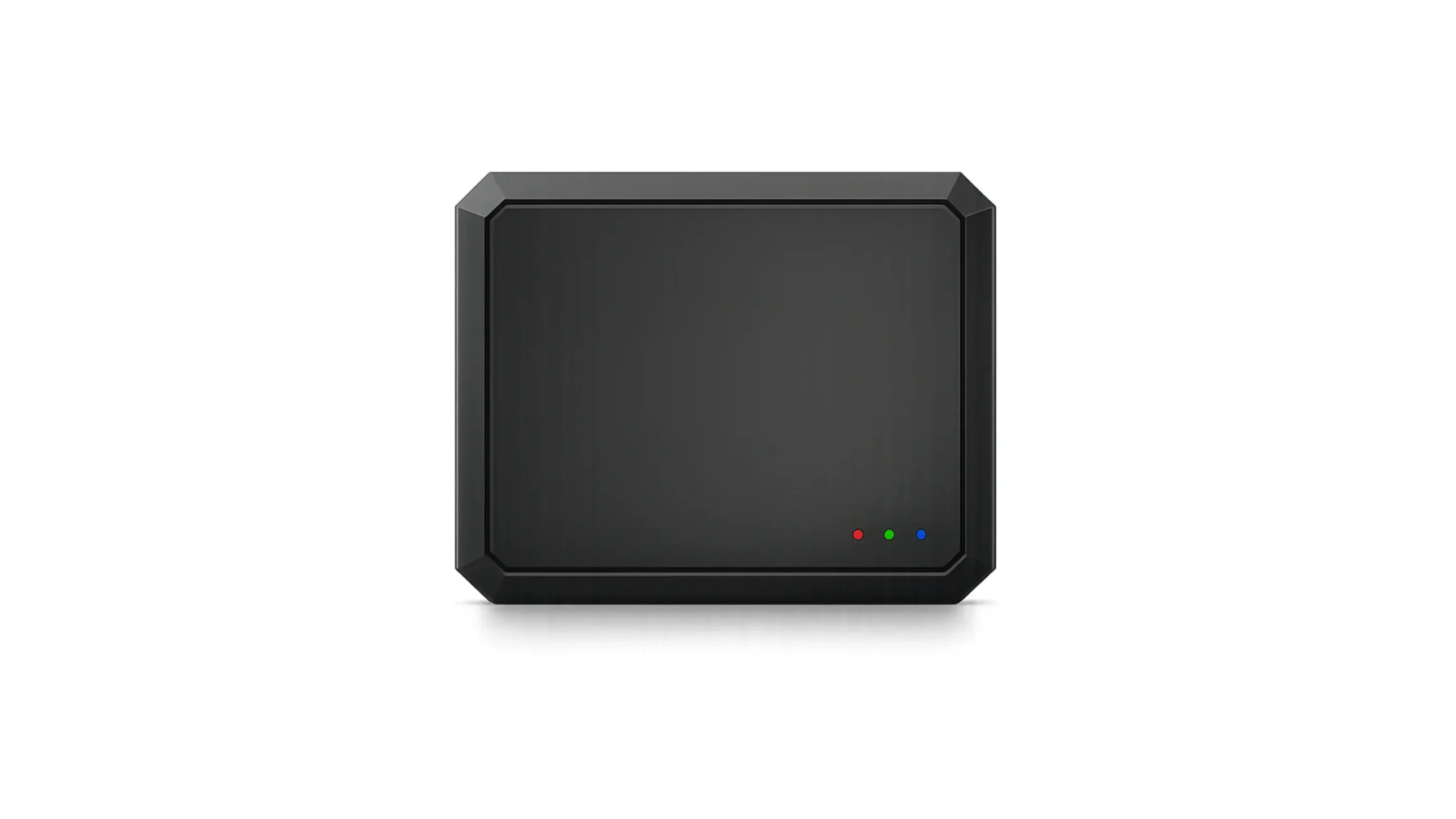
PeriShield 80G

PeriShield 80G

Long-range perimeter guard radar system delivering kilometer-scale detection, precise positioning, and human/vehicle classification for border, coastal, and critical infrastructure protection.
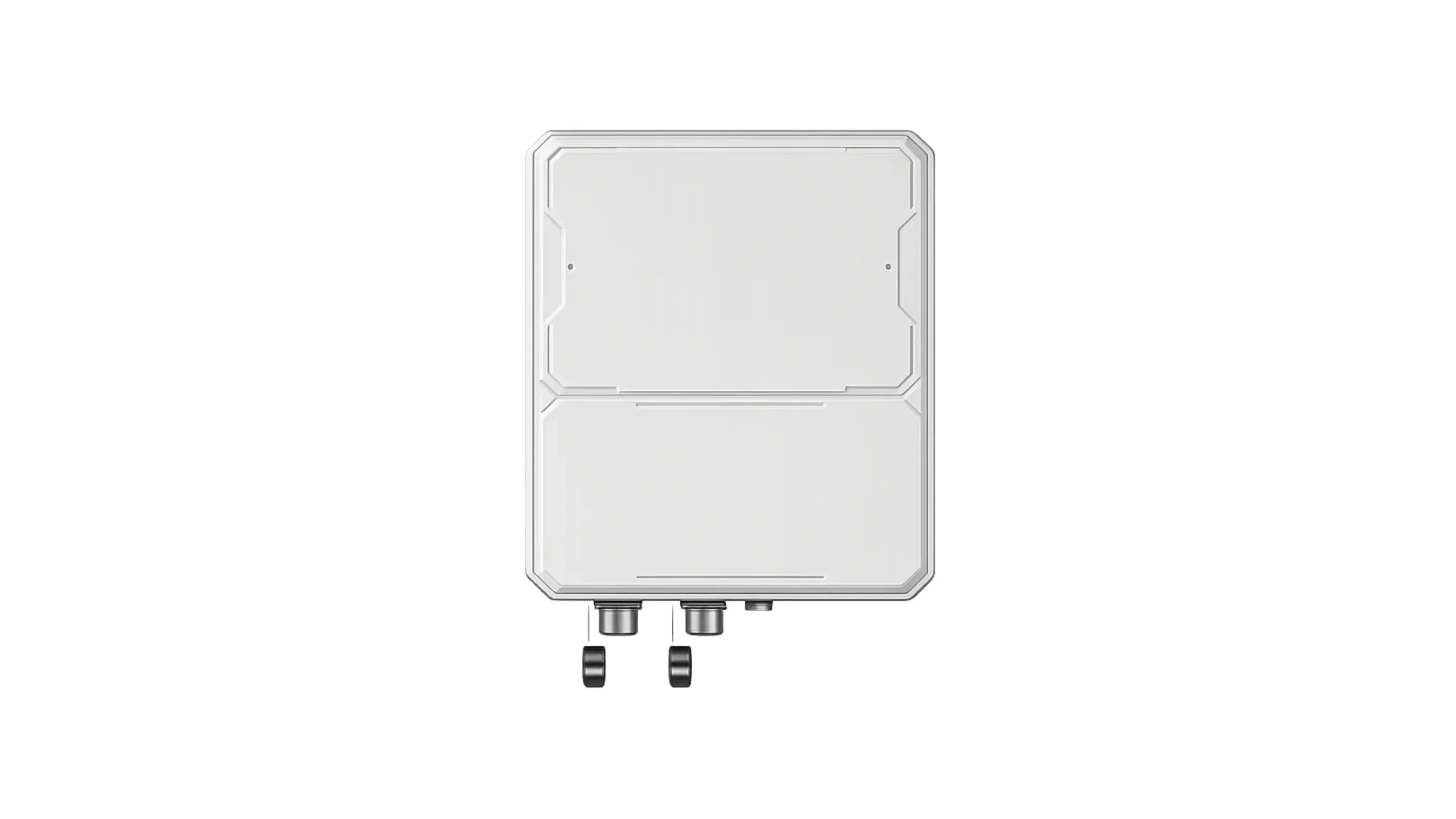
RuggedSecure 60G

RuggedSecure 60G

IP-rated all-weather security radar designed for harsh outdoor and unattended environments requiring continuous, low-maintenance monitoring.

TrackFlow 60G

TrackFlow 60G

Human trajectory and crowd density perception system enabling real-time movement flow analysis across wide or complex spaces.

Secure Perimeters Through Non-Visual Intelligence

Deploy radar-based perception systems that deliver reliable security intelligence without surveillance risks.

Contact Security Integration Team
Systems Hub | Perception Architecture

Perception Systems

Our perception architecture is organized into system-level solutions — each system represents a deployable, non-visual sensing capability designed for specific environmental and operational contexts.

Core Commercial Systems
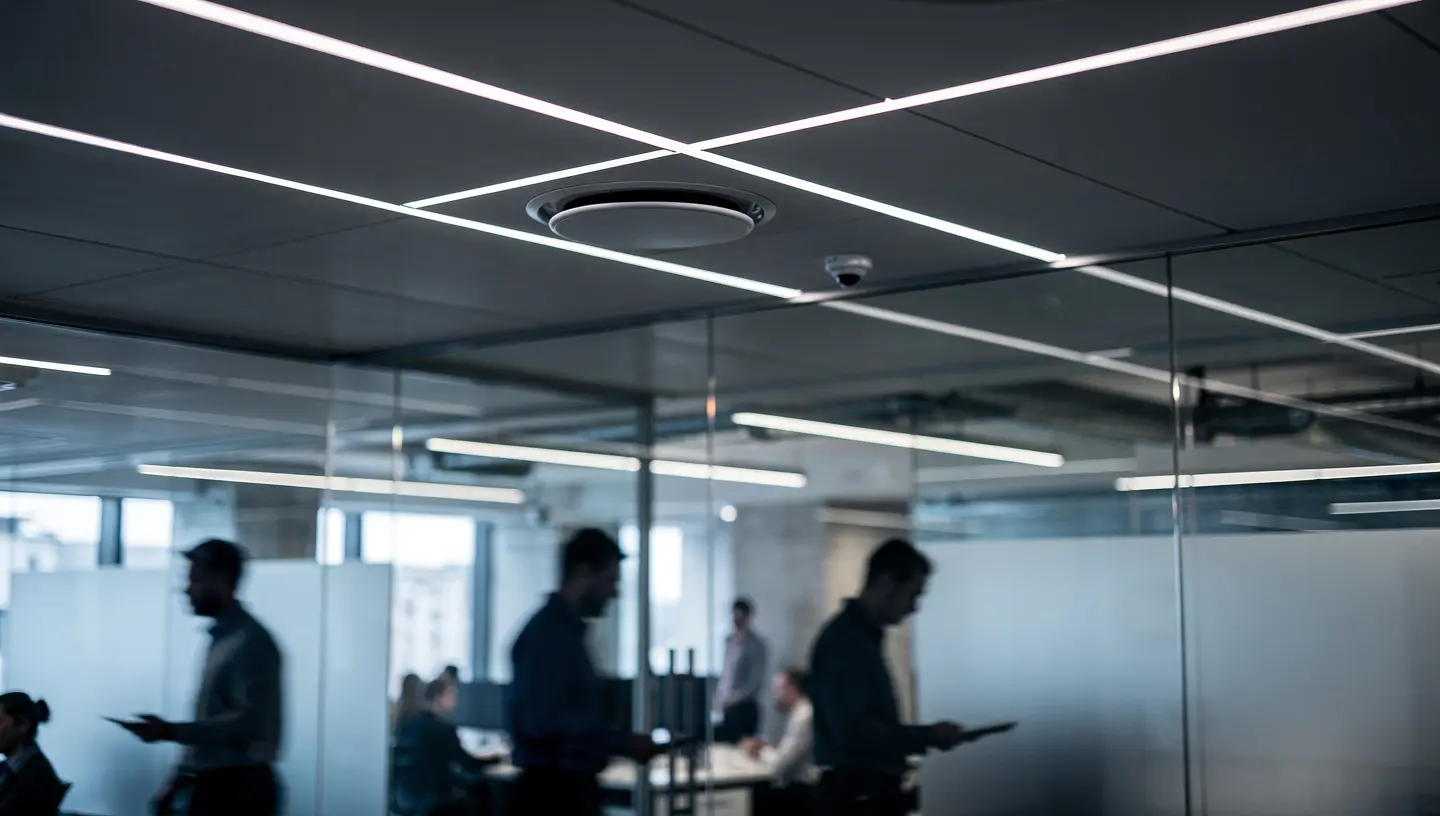
Occupancy-driven Energy Optimization System
Core System

Occupancy-driven Energy Optimization System

Perception-driven automation system optimizing lighting, HVAC, and energy usage based on real-time occupancy awareness — without cameras or personal data.

Explore system →
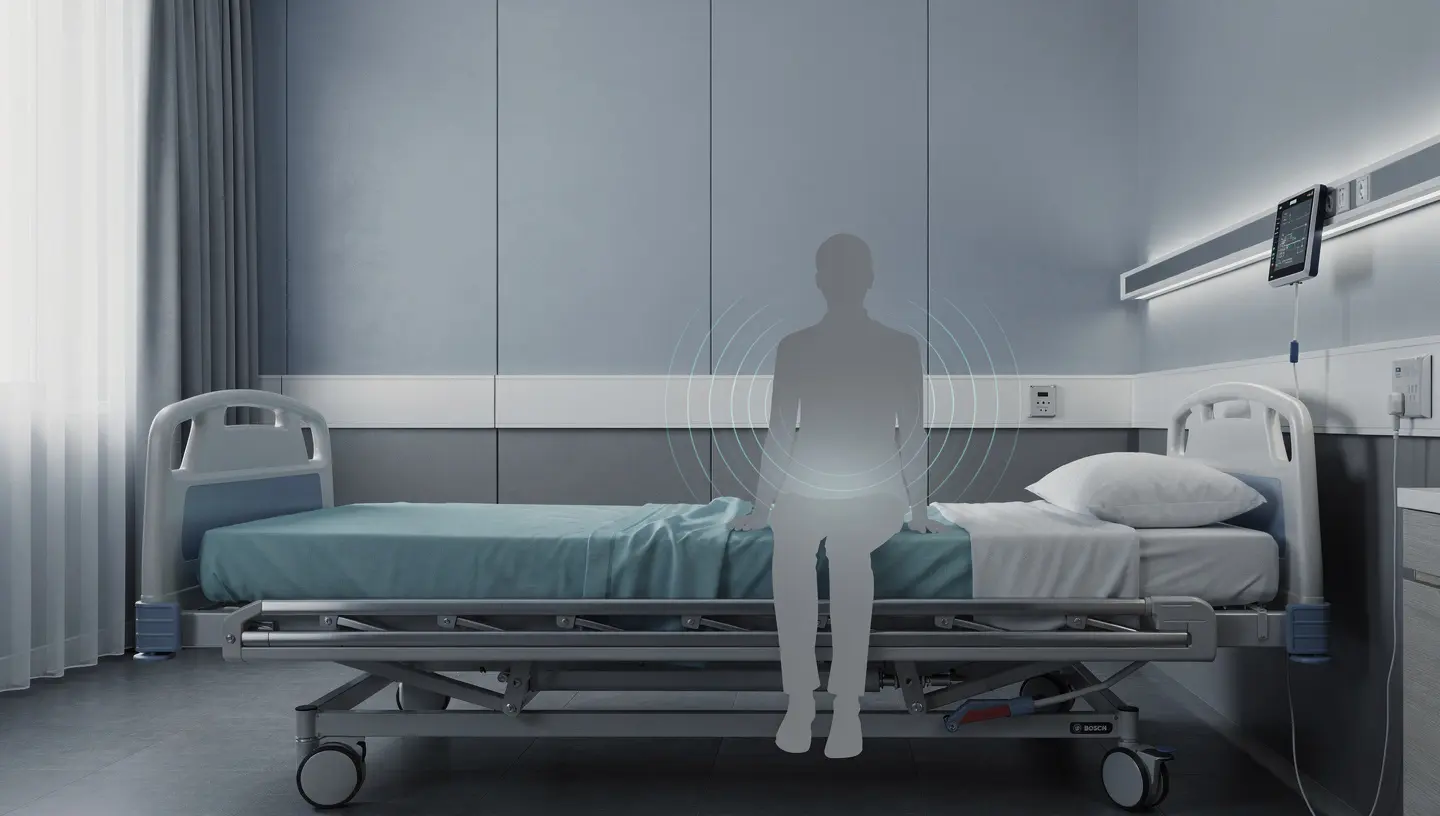
Vital-sign & Human State Perception System
Core System

Vital-sign & Human State Perception System

Non-contact millimeter-wave perception system sensing human presence, motion state, respiration and abnormal events — privacy preserved by architecture.

Explore system →

Specialized & Frontier Systems

Industrial & Environmental Sensing System
Specialized System

Industrial & Environmental Sensing System

Robust radar and sensor systems for industrial, infrastructure and environmental monitoring — available for OEM integration or project deployment.

Explore system →
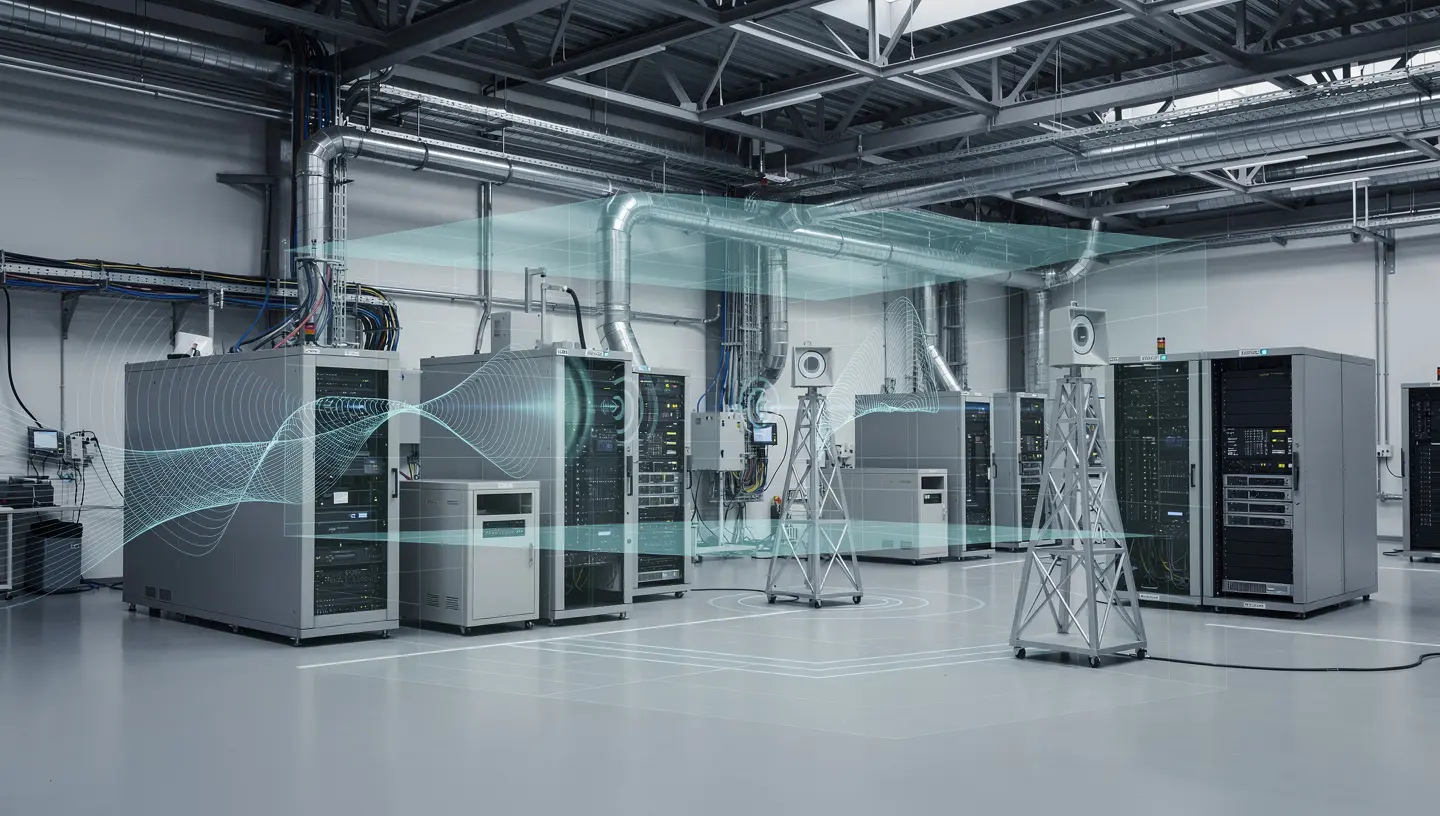
Advanced Imaging & R&D Modules
Frontier / R&D

Advanced Imaging & R&D Modules

Experimental imaging and high-frequency radar modules for research, demonstration and advanced system exploration

View capabilities →

Core Systems

Vital-sign & Human State Perception System

  • FallGuard 60G
  • TotalVital 60G
  • (Optional) ElderSafety

Occupancy-driven Energy Optimization System

  • OmniView 60G
  • MultiZone 60G
  • LumenLink 60G
  • EcoFlow 60G
  • VentSense CO₂
  • AirPure 5-in-1

Extended Capabilities

Available for OEM integration or project-based deployment.

Industrial & Environmental Sensing

  • InduLevel 80G
  • BulkScan 80G
  • Structural Displacement Radar
  • River Velocity Radar
  • NanoRadar Water Level
  • High-Precision Inclinometer
  • Soil / Agri Sensors

Frontier / Imaging

Technology showcase only. Not a commercial sales entry.

Advanced Imaging & R&D Modules

  • VisionRadar 4D (77GHz)

Integration & OEM Engagement Model

A structured collaboration model designed to minimize integration risk, maintain cost predictability, and support long-term OEM product lifecycles. Each phase is intentionally separated to avoid uncertainty during evaluation and volume deployment.

STEP 01 · Requirement Alignment
Requirement Alignment
OEM teams define target use cases, operating environments, and system-level expectations.

• Target environment & deployment constraints
• Expected sensing behavior & interfaces
• No experimental or custom hardware
STEP 02 · Sample & Evaluation
Sample Evaluation
Evaluation samples provided for functional validation and system testing.

• Functional & performance validation
• System-level compatibility testing
• No volume supply commitment
STEP 03 · OEM Parameter Tuning
OEM Parameter Tuning
Detection parameters are tuned to match the target environment while preserving hardware consistency.

• Environment-specific tuning
• No hardware revisions
• Deterministic sensing behavior
STEP 04 · Volume Supply
Volume Supply & Lifecycle Support
After validation, modules enter volume production with controlled revisions and lifecycle commitments.

• Controlled hardware & firmware revisions
• Defined lifecycle availability
• No feature-driven production changes