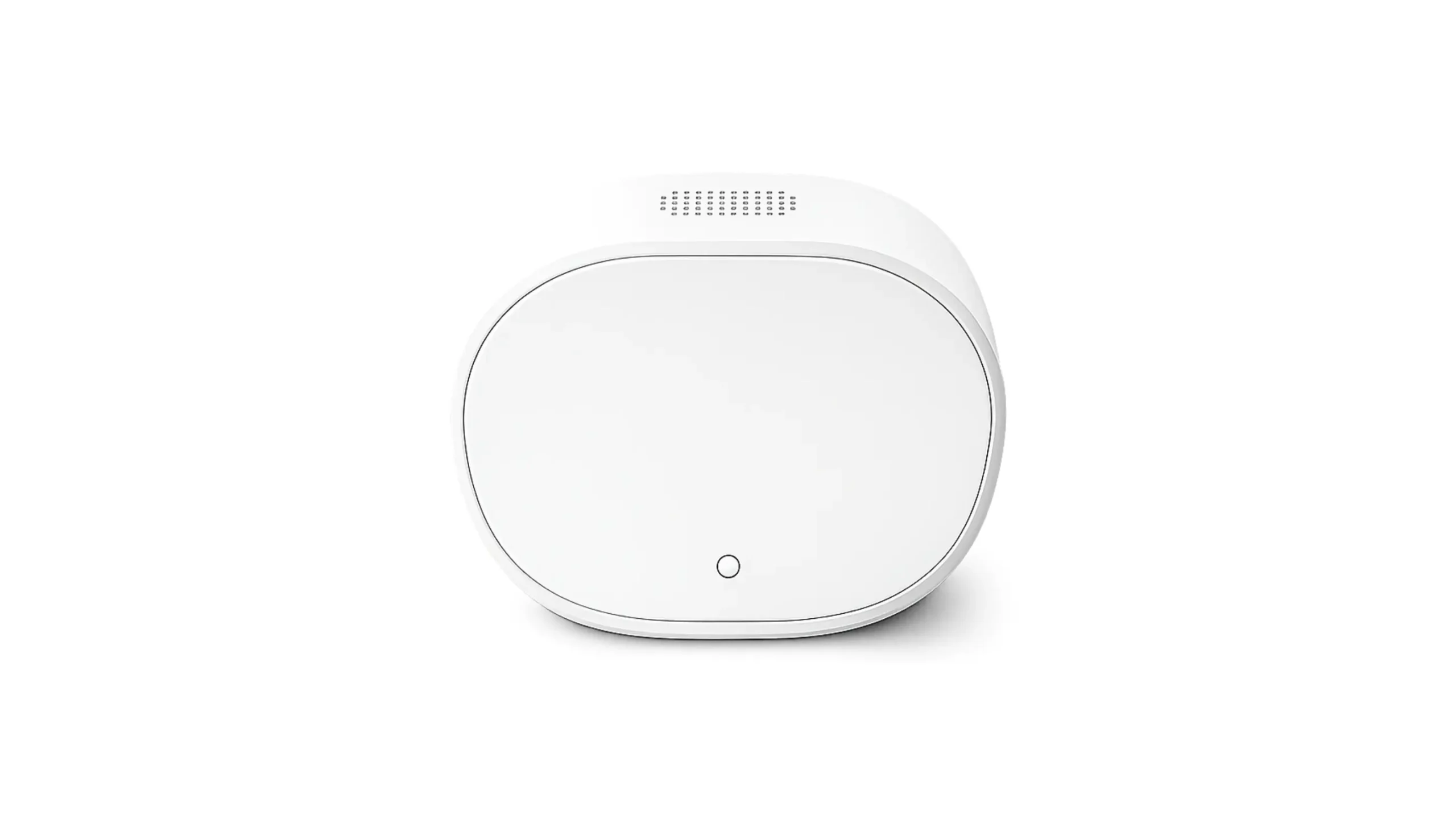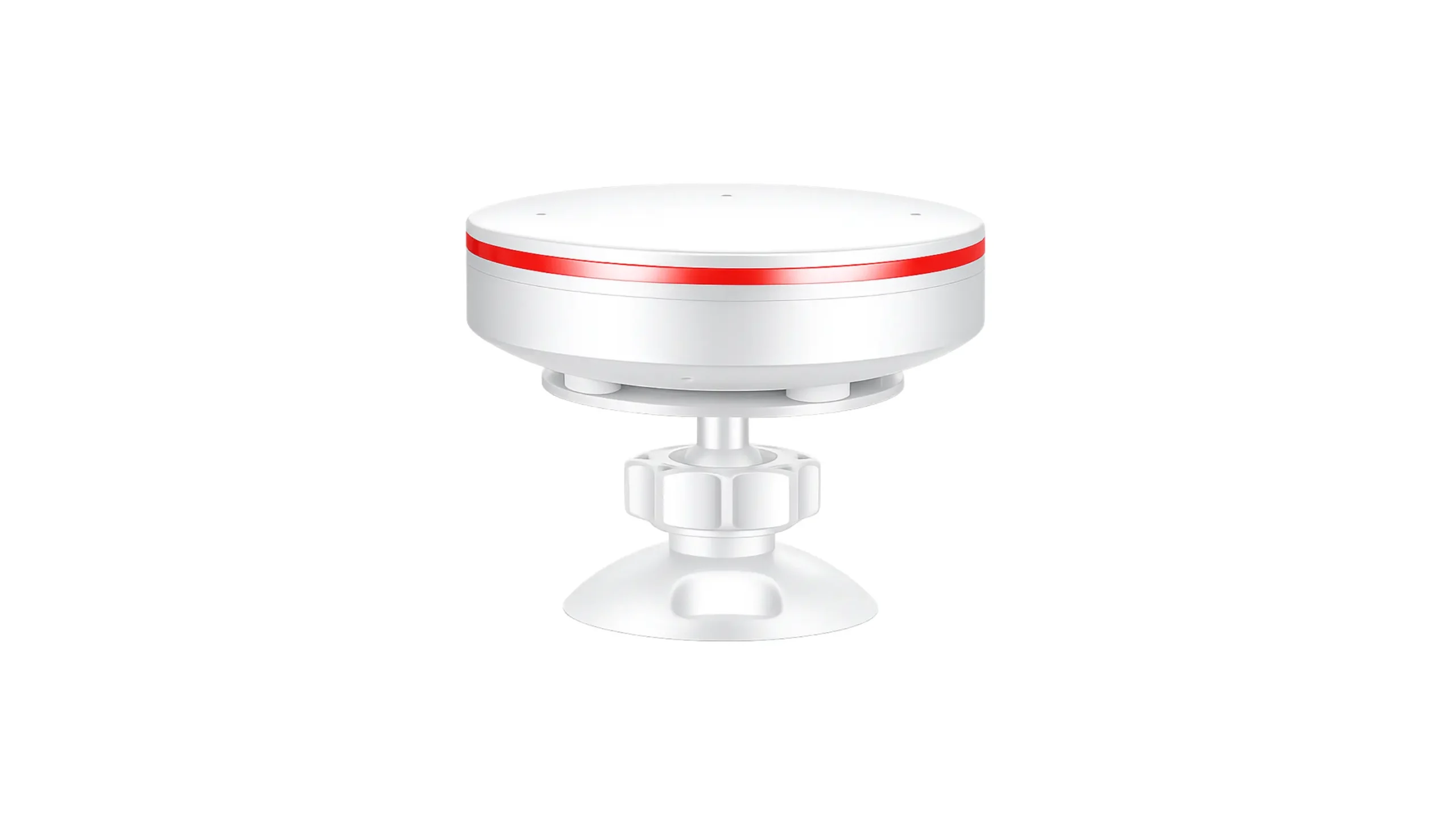

60 GHz Human Presence ·
77 GHz Directional Motion & Zone
OEM-ready millimeter-wave radar sensors engineered for non-visual human presence detection and directional motion & zone awareness, enabling predictable system-level integration in embedded sensing applications.

What We Supply
OEM-grade millimeter-wave radar sensors engineered for non-visual human presence and directional motion detection. Each sensor delivers deterministic outputs, validated operating boundaries, and long-term supply continuity for reliable system-level integration.
Why OEMs Choose Our mmWave Radar Sensors
OEM partners select our 60 GHz Human Presence and 77 GHz Directional Motion radar sensors for clearly defined sensing behavior, predictable system integration, and engineering decisions that remain valid across the entire product lifecycle.
Stable Sensor Platform Definition
Each radar sensor is defined early as a stable hardware platform to ensure BOM consistency, long-term availability, and repeatable presence or motion sensing behavior across production cycles.
OEM-Ready Radar Sensors
Both human presence and directional motion radar sensors are engineered as OEM-ready units. Electrical interfaces, data outputs, and operating modes are specified for direct system and firmware integration.
Deterministic On-Sensor Processing
Presence detection, motion direction, and zone-based logic are processed deterministically within the radar sensor itself, based on defined physical signal models rather than opaque AI inference or external cloud dependency.
Privacy by Sensor Architecture
Radar sensors detect human presence, movement, and directional behavior only. No visual data, no identity information, and no requirement for post-processing anonymization or image handling.
Production-Oriented Sensor Design
Radar sensor architecture accounts for component availability, lifecycle continuity, and supply stability. Design decisions avoid fragile dependencies that compromise long-term volume production.
Engineering-Level OEM Communication
OEM partners engage directly at the radar sensor level. Operating boundaries, sensing constraints, and system trade-offs are communicated explicitly without marketing abstraction.
OEM Engagement Model for mmWave Radar Sensors
A structured OEM collaboration framework for 60 GHz Human Presence and 77 GHz Directional Motion radar sensors, designed to minimize integration uncertainty and ensure predictable product lifecycles.
Target Applications
OEM Application Scope →Our radar sensors are engineered for direct OEM integration, where sensing capability is delivered as a defined and validated function within long-lifecycle products.
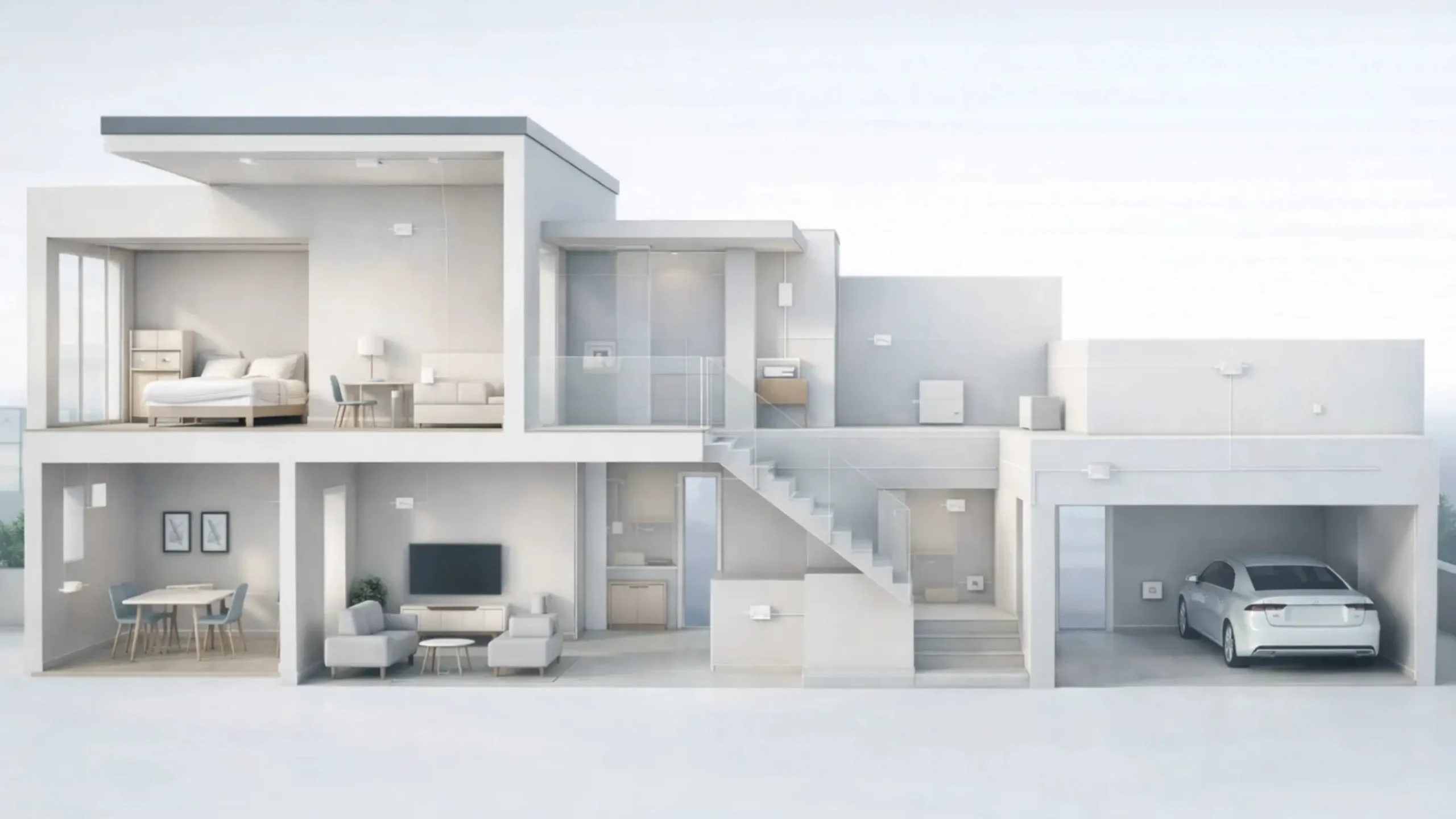
Radar sensors integrated into lighting,
HVAC, and building control equipment,
providing deterministic presence detection
independent of ambient lighting.
Deterministic occupancy sensing · Fixed infrastructure
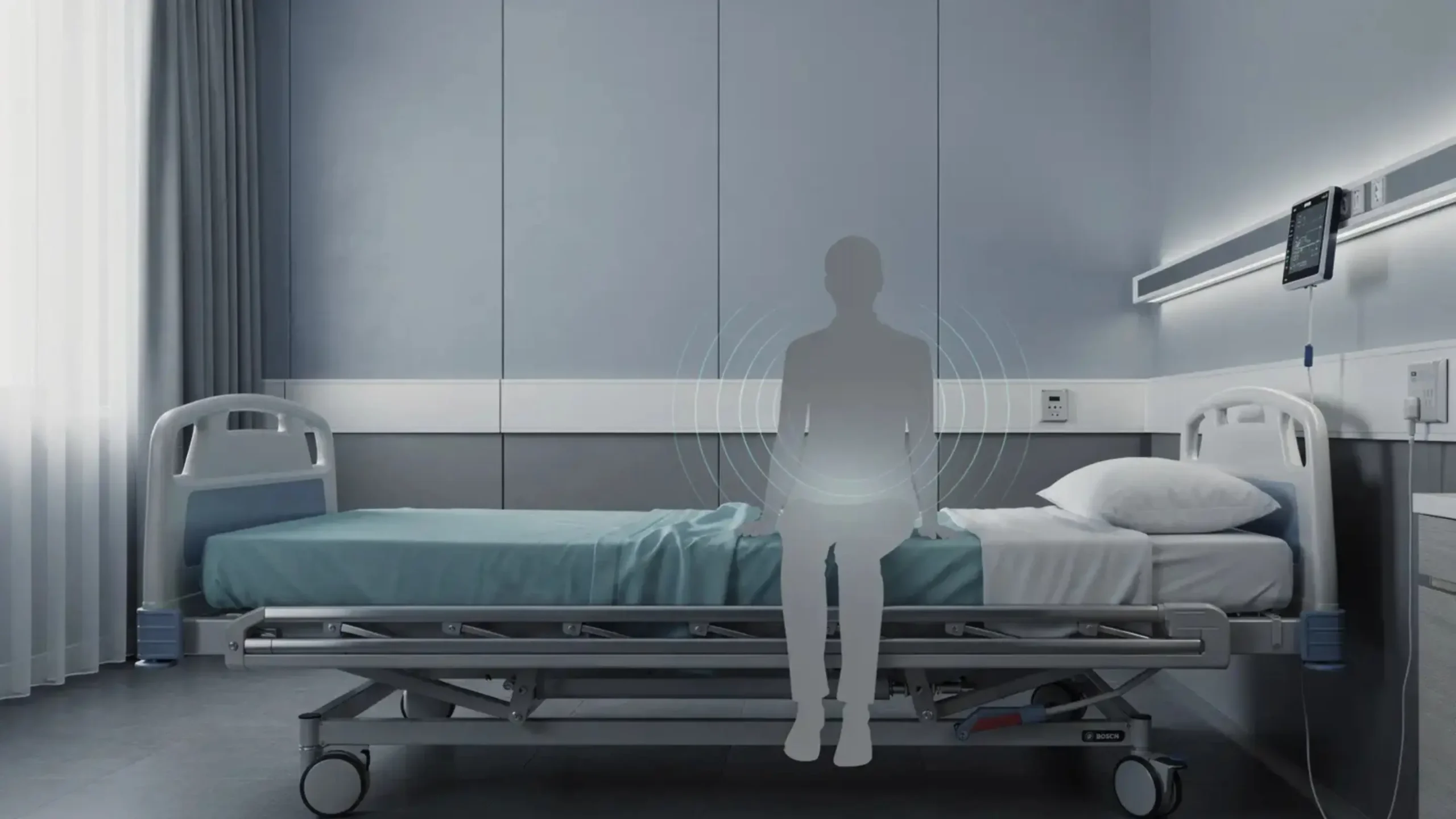
Radar sensors supporting non-contact
respiration and micro-motion detection
for wellness and assisted-living environments,
without optical sensing.
Privacy-preserving operation · Indoor deployment

Radar sensors delivering presence and motion-state awareness for safety monitoring in residential environments.

Embedded radar sensors providing presence or motion-state awareness for industrial control and automation systems.
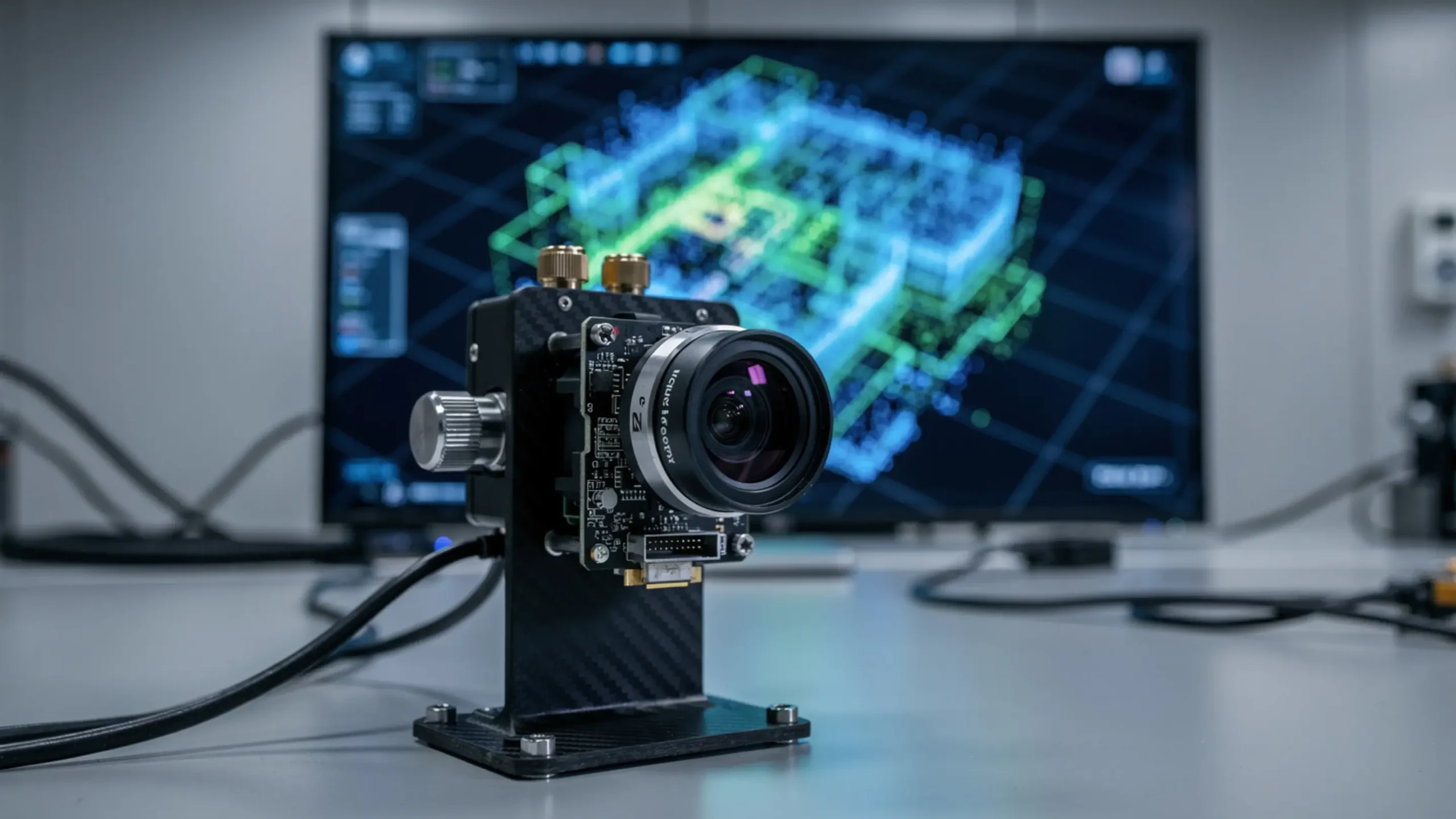
Reserved for future OEM radar sensor categories aligned with stable radar architectures and long-term product lifecycles.
These radar sensors are not designed for short-lifecycle consumer electronics, camera-based vision systems, or applications involving identity recognition or surveillance.
Engineering Insights
View all Engineering Insights →Engineering reference material for OEM teams integrating millimeter-wave radar sensors into long-lifecycle products. The content addresses radar sensor architecture, functional scope definition, system integration boundaries, regulatory context, and reliability considerations across the full product lifecycle.
OEM Radar Sensor Integration Starts Here
Engineering-grade millimeter-wave radar sensors designed for direct OEM integration into long-lifecycle products and embedded systems. Built on certified hardware platforms with clearly defined functional boundaries, compliance considerations, and long-term lifecycle support.